

A tight shoulder that makes reaching overhead uncomfortable. Calves that stay sore long after a workout. A stiff upper back after hours at a desk. These are the everyday concerns that lead many people to ask about cupping treatment results and whether this gentle therapy may help them move and feel better.
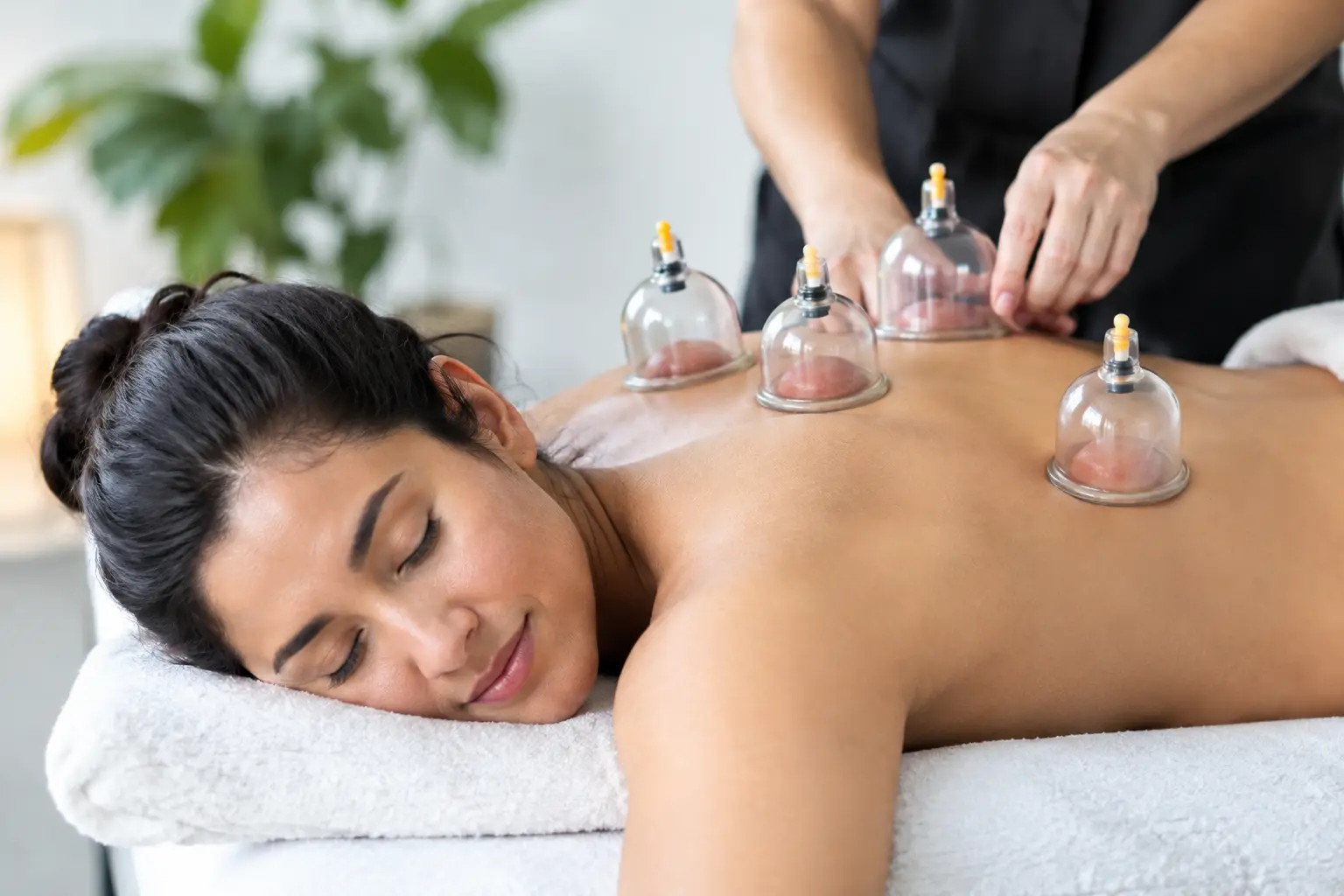
Cupping therapy is a non-invasive technique that uses specialized cups to create light suction on the skin. That suction gently lifts the tissue beneath the cup, rather than pressing down on it like traditional massage. For many patients, it can be a useful addition to chiropractic care when muscle tension, restricted movement, or posture-related discomfort is getting in the way of daily life.
The experience is personal. Your results can depend on what is causing your discomfort, how long it has been present, your activity level, and the care plan designed around your goals. A thoughtful approach looks beyond one tight area to consider how your spine, posture, movement habits, and lifestyle may be affecting the way your body feels.
What Cupping Therapy Is Designed to Support
Cupping therapy is often used to help relax tense muscles, encourage circulation in targeted areas, and improve the mobility of soft tissue. It may be helpful for people dealing with neck and shoulder tightness, upper- and lower-back discomfort, hip stiffness, exercise-related soreness, or muscles that feel guarded and restricted.
During treatment, cups may remain in place for several minutes or be moved gently across the skin. The sensation is commonly described as a pulling, stretching, or decompressing feeling. It should not feel sharply painful. Your provider can adjust the amount of suction and the length of treatment to help you remain comfortable.
For some patients, cupping is most helpful as part of a broader plan that may include gentle spinal adjustments, postural analysis, movement guidance, and practical changes to support healthier daily habits. The goal is not simply to chase temporary relief. It is to help your body move with greater ease and support sustainable well-being.
Cupping Treatment Results: What You May Notice
Some people notice a change right away. A shoulder may feel less restricted after a session, or turning the head may feel easier when neck muscles have been especially tight. Others notice more gradual changes over several visits, particularly when stiffness has been building for months or is connected to repetitive work, exercise, or posture patterns.
Early cupping treatment results may include a feeling of looseness in the treated area, reduced muscle tension, easier movement, or a sense of relaxation. Some patients also report that they feel more aware of where they tend to hold tension, which can be useful when building better movement and posture habits.
It is equally normal not to feel a dramatic change after one appointment. Persistent discomfort rarely has one simple cause. If the body has been compensating for an old injury, a demanding work setup, limited mobility, or repetitive strain, progress may be steadier than immediate. That does not mean care is not working. It means your provider should continue to listen, assess your response, and tailor the plan accordingly.
The marks are temporary, and they are not bruises
The circular marks associated with cupping are one of the most common questions patients have. These marks can range from light pink to deeper red or purple, depending on the amount of tension in the area, the level of suction used, and how your body responds. They are caused by suction drawing blood toward the skin’s surface, not by blunt-force injury.
The marks are typically not painful and commonly fade over several days to about two weeks. A provider can use lighter suction when preferred, especially for someone new to cupping or concerned about visible marks. If you have an event, photoshoot, or beach day coming up, mention it before treatment so your care can be planned with that in mind.
Why Results Can Vary From Person to Person
A personalized care plan matters because two people with “back pain” may have very different needs. One person may be dealing with muscle fatigue from lifting and carrying children. Another may spend long hours seated with rounded shoulders and limited upper-back mobility. A runner may have tight hips and calves that affect the way they move, while someone else may be recovering from a physically demanding week at work.
Your response to cupping can also be influenced by hydration, sleep, stress, recent activity, and whether you follow through with the movement recommendations that support treatment. Cupping can help address soft-tissue tension, but it cannot replace the everyday habits that keep your body supported.
For that reason, a quality visit should begin with attention to your concerns and goals. Your provider may ask when symptoms started, what movements are difficult, what your workday looks like, and what activities you want to return to more comfortably. That conversation helps determine whether cupping is appropriate and how it can fit into your overall care.
How to Get the Most From Your Session
You do not need an elaborate routine to support your body after cupping therapy. Drinking water, taking an easy walk, and giving yourself time to notice how your body feels are often good places to start. Some tenderness or sensitivity in the treated area can occur, especially after a first visit or treatment of very tight tissue.
Avoid jumping immediately into an intense workout if the area feels tender. Gentle movement is often better than complete stillness, but the right choice depends on your condition and your provider’s recommendations. If you receive stretches, posture guidance, or mobility exercises, think of them as part of the care plan rather than extra homework. Small, consistent actions can help reinforce the progress you are working toward.
It can also help to track a few meaningful measures between appointments. Instead of focusing only on a pain number, notice whether you can sit through a meeting with less stiffness, turn your head more comfortably while driving, sleep with fewer interruptions, or enjoy a workout without the same lingering tightness. These real-life changes often tell a more complete story about your progress.
When Cupping May Not Be the Right Choice
Cupping is gentle, but it is not right for every situation. Your provider should know if you take blood-thinning medication, have a bleeding disorder, have compromised skin in the treatment area, or have a medical condition that may affect whether cupping is appropriate. Cupping should not be performed over open wounds, sunburned skin, active infection, or areas of significant irritation.
If you have sudden severe pain, unexplained swelling, numbness, weakness, fever, chest pain, or symptoms following a major injury, seek appropriate medical evaluation rather than relying on a wellness treatment alone. Safe, patient-centered care means knowing when a concern needs a different level of attention.
A More Comfortable Path Forward
At Whole Health Chiropractic, cupping therapy is never treated as a one-size-fits-all service. It can be incorporated thoughtfully into care for patients who want support with tension, mobility, posture, and the physical demands of everyday life. Your comfort, health history, and goals should guide every step.
If you are curious about cupping but unsure what your body needs, a consultation can provide clarity without pressure. The most encouraging result is not a mark on the skin or a quick fix. It is having a care plan that helps you feel more confident moving through work, family life, exercise, and the moments that matter to you.