

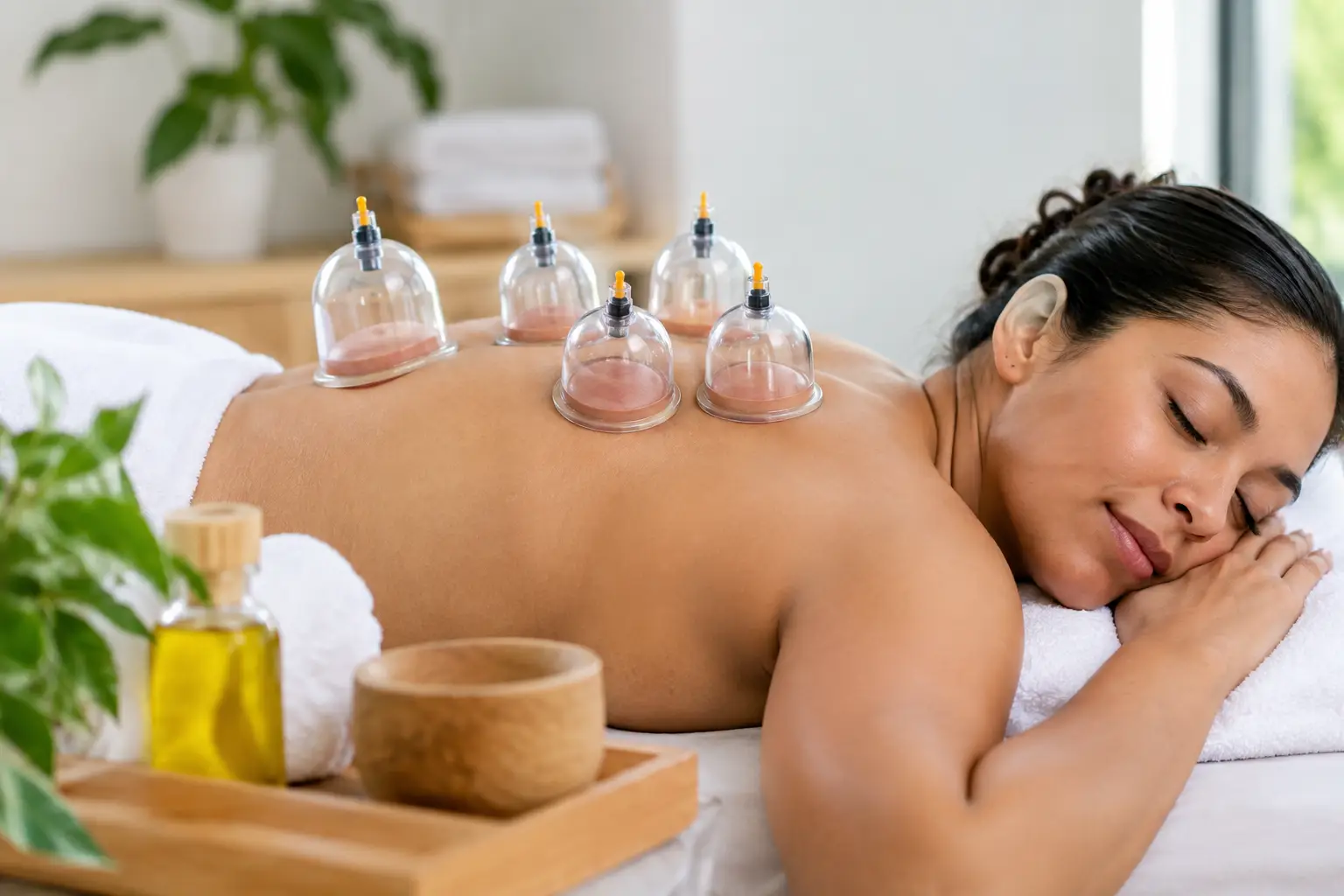
Those circular marks after a cupping session can be surprising the first time you see them. They may look intense, but they are often a normal response to the suction used during treatment. This guide to cupping aftercare will help you understand what your body may feel, how to care for your skin, and when it is best to check in with your provider.
Cupping therapy is designed to support muscle relaxation, circulation, and mobility. At Whole Health Chiropractic, it is never a one-size-fits-all service. The pressure, placement, and timing of treatment should reflect your comfort, your areas of tension, and your goals for feeling and moving better.
What to Expect After a Cupping Session
After treatment, it is common to feel relaxed, slightly tired, or tender in the areas that were treated. Some people feel looser right away; others notice the benefits more gradually over the next day or two. If tight muscles have been limiting your movement, that change can feel unfamiliar at first.
The most visible effect is usually temporary discoloration. Cupping marks can range from light pink to deep purple, depending on your skin tone, the amount of suction used, and how much tension was present in the tissue. These marks are not necessarily an indication that anything is wrong, and they are not the same as a typical injury bruise. They generally fade over several days and may last up to two weeks.
Mild soreness can also occur, particularly if you were already dealing with muscle tightness or had a more active session. Think of it as a signal to give your body a little extra room to recover, not a reason to push through a strenuous workout.
Guide to Cupping Aftercare: The First 24 Hours
The first day after cupping is a good time to keep your routine gentle. Drink water throughout the day, eat regular nourishing meals, and give yourself permission to rest if you feel tired. Hydration supports your overall recovery and can be especially helpful if you have been active, stressed, or holding tension for a long time.
Keep the treated skin clean and avoid irritating it. Skip harsh exfoliants, strong topical products, and vigorous massage directly over the marks. If your skin feels sensitive, choose loose, soft clothing rather than anything that rubs or compresses the area.
Warmth can feel soothing for many people, but extremely hot environments may be too much immediately after treatment. Consider postponing hot tubs, steam rooms, and very hot baths until the next day, especially if the area feels tender or your skin is easily irritated. A comfortably warm shower is usually a more reasonable choice.
It can also help to avoid intense exercise for the rest of the day. A hard training session may place fresh stress on muscles that are trying to settle. Gentle walking, easy mobility work, and normal daily movement are often fine if they feel comfortable. Your personal recommendation may differ based on why you received cupping, so follow the plan your chiropractor provides.
Care for the Marks Without Trying to Make Them Disappear Faster
Cupping marks need time. There is no need to scrub, press, or aggressively treat them in an effort to speed up fading. Doing so can make the skin more sensitive and may prolong discomfort.
Instead, treat the area with patience. Keep it moisturized if your skin is dry, protect it from excessive sun exposure, and avoid friction from tight straps or equipment. If the area is sore, a cool compress wrapped in a cloth may feel comforting for short periods. Do not place ice directly on the skin.
Your response will not look exactly like someone else’s. A darker mark does not automatically mean the treatment was better, and a lighter mark does not mean it was less effective. Your provider should use the amount of suction that is appropriate for your body and comfort level, not chase a particular appearance.
Support Your Mobility Between Visits
Cupping can be one part of a larger plan for pain relief, movement, and posture support. The choices you make after your appointment can help you hold onto the ease you feel from treatment.
For many patients, gentle movement is more useful than complete stillness. If your shoulders were treated, slow shoulder rolls, relaxed neck motion, or an easy walk may help you stay comfortable. If your back or legs were treated, light stretching may be appropriate when it does not cause sharp pain or pull strongly on tender skin.
Pay attention to the habits that may be contributing to tension in the first place. Long hours at a desk, repetitive lifting, poor sleep positions, and an abrupt increase in exercise can all affect how your body feels. Small adjustments – such as changing positions more often, setting up your workstation thoughtfully, or taking a short walking break – can support more sustainable progress.
This is also a useful time to notice patterns. Did your discomfort improve after the session? Is one movement easier than before? Does a certain activity bring the tightness back? Sharing these details at your next visit helps your care team tailor treatment around your real life, not just what happens on the treatment table.
When to Contact Your Provider
Most post-cupping effects are mild and temporary. Still, your comfort matters, and you should not feel like you have to guess about an unusual reaction.
Contact your provider if you have pain that is severe or worsening, significant swelling, blistering, skin that becomes hot or increasingly red, drainage, numbness, or signs of an allergic skin reaction. Seek prompt medical care for symptoms such as trouble breathing, chest pain, fainting, or a widespread rash.
Let your provider know before your next session if the marks lasted much longer than expected, if you felt unwell afterward, or if you have started a new medication or developed a skin concern. Cupping may need to be modified or postponed in some situations, including when skin is broken, irritated, sunburned, or actively infected.
Questions That Help Personalize Your Care
If you are new to cupping, it is reasonable to ask what sensations are expected, how long marks may last, and what pressure level will be used. You can also ask how cupping fits alongside spinal adjustments, postural recommendations, exercise, or other parts of your care plan.
Be open about your schedule and goals. If you have an upcoming event, photos, a beach day, or a sport that requires intense training, your provider can help you plan treatment timing accordingly. The trade-off is simple: deeper or more sustained suction may leave more noticeable marks, while a gentler approach may better suit a sensitive area or a busy week.
Cupping aftercare is not about following a rigid set of rules. It is about listening to your body, protecting treated skin, and giving muscles the recovery time they need. A little patience after your session can help you move forward with greater comfort, confidence, and support for the active life you want to enjoy.