
That first stiff step out of bed, the tight pull across your shoulders after a workday, or the feeling that your back needs time to “warm up” can make ordinary tasks feel harder than they should. The best ways to reduce stiffness are rarely about pushing through discomfort. They are about giving your body consistent, thoughtful support through movement, recovery, posture awareness, and care that fits your unique needs.
Stiffness can happen at almost any age and activity level. A long commute, hours at a desk, a new workout routine, poor sleep, stress, or simply doing more than your body has recently been used to can all contribute. The good news is that small, sustainable changes can often help you move with greater ease and feel more comfortable in your daily life.
Why Your Body May Feel Stiff
Stiffness is often your body’s response to reduced movement, muscle tension, joint irritation, or repetitive positions. When you sit in one posture for a long stretch, the muscles around your neck, hips, and low back may tighten to create stability. The longer that position lasts, the less comfortable it can feel to change positions.
Physical stress is only part of the picture. Emotional stress can lead to unconscious jaw clenching, raised shoulders, shallow breathing, and overall muscle guarding. Sleep position, hydration, recovery after exercise, and past injuries may also affect how freely you move.
Occasional stiffness is common, especially after activity or prolonged rest. However, stiffness that is severe, worsening, lasts for weeks, follows a significant injury, or occurs with numbness, weakness, fever, unexplained weight loss, loss of balance, or changes in bowel or bladder control deserves prompt medical attention. A qualified healthcare professional can help determine what is behind your symptoms and what care is appropriate.
Best Ways to Reduce Stiffness at Home
The most helpful routine is one you can repeat. You do not need an intense hour-long workout to support mobility. In many cases, brief movement breaks and gentle recovery habits done consistently make a meaningful difference.
Start with gentle movement, not force
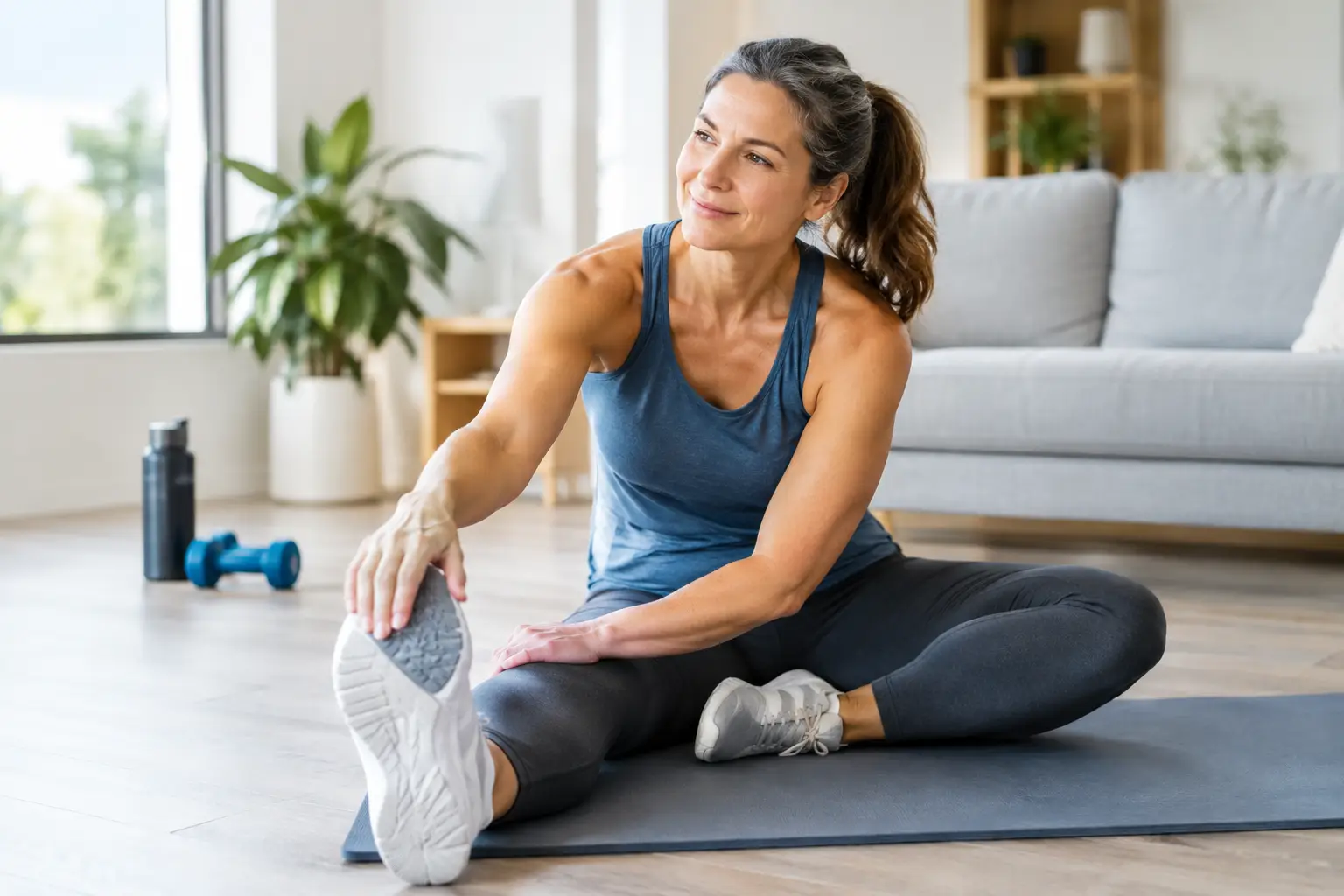
When you feel stiff, your instinct may be to stretch as far as possible or crack your joints. Forceful movements can sometimes irritate already sensitive tissues. Begin with easy, controlled motion instead: slow neck turns, shoulder rolls, a relaxed walk, pelvic tilts, or gentle hip circles.
Try moving for five minutes before deciding how your body feels. A warm shower followed by light movement can be especially soothing in the morning. The goal is not to “fix” your body in one session. It is to remind your muscles and joints that movement is safe and available.
If an exercise creates sharp pain, tingling, numbness, or symptoms that spread down an arm or leg, stop and seek professional guidance. Mild effort is different from pain.
Break up long periods of sitting or standing
Your body is designed to change positions. Even a well-designed workstation cannot make eight uninterrupted hours in one posture feel great. Set a reminder to stand, walk, or change positions every 30 to 60 minutes.
A short movement break might mean walking to refill your water, doing a few gentle chest-opening movements, or taking a lap around the room. For people who stand for work, the same principle applies. Shift your weight, take brief seated breaks when possible, and avoid locking your knees for long periods.
These small resets can help reduce the buildup of tension in the low back, hips, shoulders, and neck. They can also make it easier to notice which daily positions tend to trigger stiffness.
Build mobility around the areas you use most
General movement helps, but targeted mobility can be useful when stiffness keeps showing up in the same place. Desk workers often benefit from movements that open the chest and encourage upper-back motion. Runners, parents, and active adults may need extra attention around the hips, calves, and ankles.
Choose movements that feel controlled and comfortable. Hold a gentle stretch for 20 to 30 seconds without bouncing, or move slowly through a comfortable range of motion for several repetitions. Breathe normally instead of holding your breath. If you have an injury, recent surgery, osteoporosis, or a diagnosed condition affecting your joints or spine, ask a healthcare professional which movements are right for you.
Support recovery after activity
A challenging workout, yard work, travel day, or weekend project can leave you feeling tight the next morning. Complete rest may be needed after an acute injury, but light activity is often more helpful than staying completely still when you are dealing with routine muscle soreness.
A comfortable walk, gentle stretching, adequate water, nourishing meals, and quality sleep all support recovery. Heat may relax tight muscles for some people, while others prefer cold after a fresh flare-up or strenuous activity. It depends on the source of your discomfort and what feels best for your body.
Give new workouts time to build gradually. Sudden jumps in weight, mileage, intensity, or frequency are common reasons people wake up feeling more stiff than strong. Progress is more sustainable when your body has time to adapt.
Posture Is About Variety, Not Perfection
Many people assume stiffness is caused by “bad posture,” then spend the day trying to sit perfectly still. That can create even more tension. There is no single flawless posture you need to hold all day. A supportive posture is one that allows you to breathe, move, and change positions comfortably.
At a desk, aim to keep frequently used items within easy reach, support your feet, and position your screen so you are not constantly looking down or craning your neck. When using a phone, bring it closer to eye level when possible rather than bending your head toward it for long periods.
A postural analysis can be valuable when pain or stiffness keeps returning. It can identify movement patterns, muscle imbalances, and daily habits that may be placing extra stress on certain areas. From there, a personalized plan can focus on practical corrections rather than generic advice.
When Hands-On Care May Help
Home habits are powerful, but they are not always enough on their own. If stiffness repeatedly limits your work, exercise, sleep, or ability to enjoy time with family, individualized conservative care may help you move forward with more confidence.
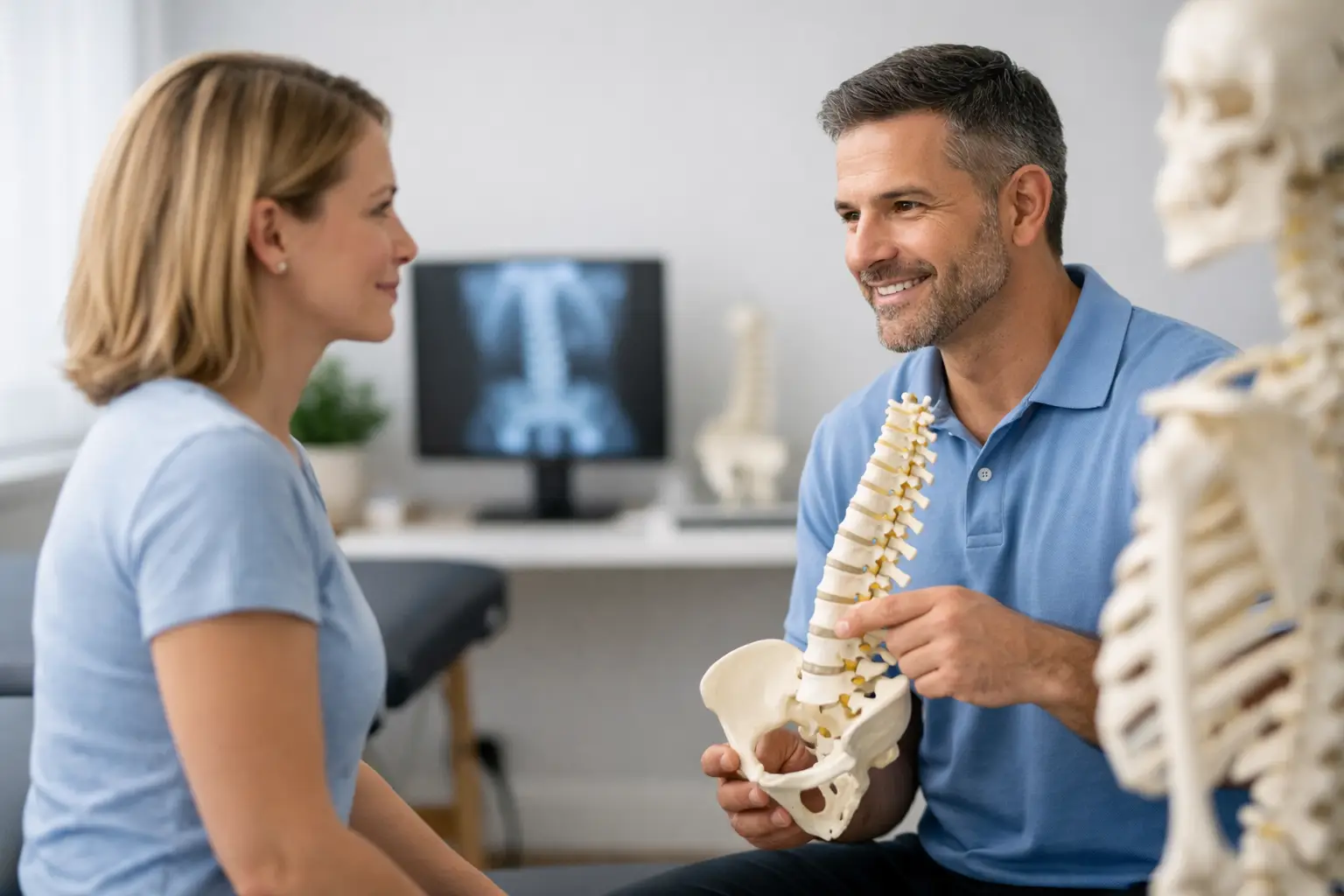
Gentle chiropractic adjustments may support spinal and joint mobility while helping reduce areas of restricted movement. Cupping therapy may also be recommended for certain muscle-tension concerns to encourage circulation and ease tight, overworked tissue. Neither approach should feel like a one-size-fits-all solution. The right care plan depends on your health history, symptoms, activity level, and personal goals.
At Whole Health Chiropractic, care begins by listening to what your body has been asking for. A thoughtful evaluation can look beyond the location of stiffness to consider your posture, daily routines, stress load, and movement demands. Whether you want to get back to workouts, sit through a meeting more comfortably, or simply turn your head without hesitation, your care should support your broader journey toward optimal health.
Create a Routine Your Body Can Keep
The best mobility plan is not the most complicated one. It is the one that fits into a real schedule. You might begin with a five-minute morning movement routine, two short walking breaks during the workday, and a wind-down stretch before bed. After a week or two, notice what changes. Are mornings easier? Does your neck feel less tight after work? Are you recovering better from exercise?
Use those observations to guide your next step. Some people need more frequent movement breaks. Others need a better sleep routine, a more gradual exercise plan, or professional support for a recurring issue. Your body gives useful feedback when you pay attention without judgment.
Feeling stiff does not have to become your normal. With gentle consistency and care tailored to your needs, you can create more room for comfortable movement, active days, and the activities that help you feel your best.