

A stiff neck after long hours at a laptop, a back that catches when you lift the laundry basket, or a shoulder that no longer moves freely can make everyday life feel smaller. When people ask about spinal manipulation versus mobilization, they are usually asking a practical question: Which approach will feel right for my body, my comfort level, and my goals?
Both are hands-on chiropractic techniques used to support movement, reduce discomfort, and help joints and surrounding muscles function more comfortably. They are not competing treatments with one universal winner. The right choice depends on your health history, the area being treated, your current symptoms, and how your body responds to care.
What Is Spinal Manipulation?
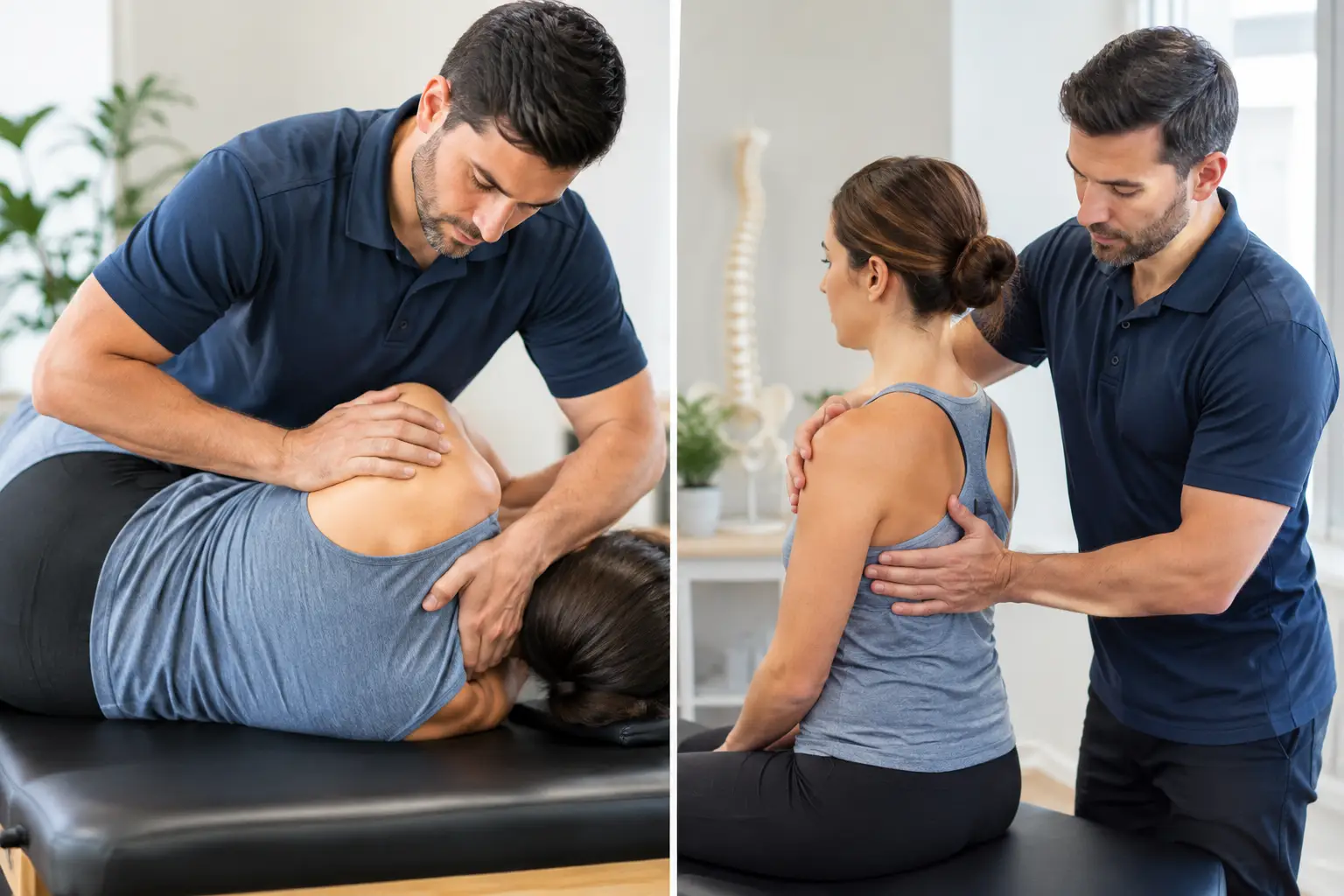
Spinal manipulation, often called a chiropractic adjustment, is a quick, precise movement applied to a specific joint. Chiropractors may use their hands or a specialized instrument to deliver a controlled, short-range force. The intent is to improve joint motion and reduce irritation or tension in the surrounding tissues.
You may hear or feel a popping sound during an adjustment. That sound is commonly related to changes in gas pressure within the joint, much like cracking a knuckle. It is not a measure of whether treatment worked, and it does not mean a bone was “put back into place.”
For some patients, manipulation provides a sense of immediate relief or freer movement, particularly when joint stiffness is a key part of the problem. Others notice gradual improvement over several visits as mobility, muscle tension, movement habits, and posture are addressed together.
A well-delivered adjustment is specific, not forceful for the sake of force. Your chiropractor should explain what they are doing, check in about your comfort, and adjust the technique when needed.
What Is Spinal Mobilization?
Spinal mobilization uses slower, gentler, repeated movements within a joint’s comfortable range. Instead of a quick thrust, the chiropractor guides the joint through a controlled motion, often with a rhythmic pressure. Mobilization can also include gentle stretching and hands-on work designed to help a restricted area move more easily.
This approach can be especially appealing if you are new to chiropractic care, feel anxious about adjustments, are recovering from a flare-up, or simply prefer a lower-force technique. It can also be useful when muscles are guarding an area because of pain or stress. As the body relaxes, movement may become easier to restore.
Mobilization is not a lesser version of an adjustment. It is a distinct technique with its own purpose. For many patients, it offers a comfortable way to begin improving mobility while building confidence in movement.
Spinal Manipulation Versus Mobilization: The Main Difference
The clearest difference is the speed and force of the movement. Manipulation is a quick, targeted thrust delivered over a small range of motion. Mobilization is slower, repetitive, and stays within a more gradual range of motion.
The experience can differ, too. Manipulation may create an audible pop and can feel immediately freeing to some people. Mobilization tends to feel more like guided stretching or steady pressure. Neither sensation is automatically better. The best technique is the one that fits your condition, preferences, and treatment plan.
Both methods may be used for concerns such as back or neck discomfort, stiffness, limited movement, posture-related strain, and muscle tension. Research and real-world care alike suggest that hands-on treatment often works best as part of a broader plan rather than as a stand-alone answer. Movement guidance, postural analysis, strengthening, recovery habits, and attention to work or exercise demands all matter.
How Your Chiropractor Chooses an Approach
A personalized visit should start before any hands-on technique. Your chiropractor will listen to what you are feeling, when it began, what makes it better or worse, and what you hope to get back to doing. They will also consider your health history, daily routines, range of motion, posture, and how your body moves.
Someone with mild stiffness after travel may respond well to a focused adjustment and mobility guidance. Someone with a sensitive, guarded low back may benefit from slower mobilization, soft-tissue work, and gentle movement first. An active adult returning to exercise may need a combination of techniques along with support for lifting mechanics and recovery.
Your preference belongs in this decision. If you do not want a high-velocity adjustment, say so. If you have had a positive experience with adjustments in the past, share that as well. Good care is collaborative, and you should never feel pressured into a technique that does not feel appropriate for you.
At Whole Health Chiropractic, that conversation helps shape care around the person, not just the painful area. Gentle spinal care may be combined with postural analysis, cupping therapy, and practical guidance that supports the way you work, move, rest, and stay active.
When a Gentle Approach May Make Sense
Mobilization or other low-force techniques may be preferable when a person is especially sensitive, apprehensive, or dealing with acute inflammation. They may also be considered when certain health factors make high-velocity techniques less appropriate.
This is why a complete health history matters. Osteoporosis, a recent injury, prior spinal surgery, certain inflammatory conditions, blood-thinning medications, and neurological symptoms can all affect what care is appropriate. Your chiropractor may modify treatment, coordinate with another health professional, or recommend additional evaluation before proceeding.
There are also times when chiropractic care should not be the first step. New or worsening weakness, numbness that spreads, loss of bladder or bowel control, severe headache unlike usual headaches, fever with back pain, unexplained weight loss, or pain after significant trauma deserves prompt medical attention. Careful screening protects your health and helps ensure treatment is matched to the real issue.
What to Expect After Treatment
After manipulation or mobilization, some people feel looser right away. Others feel mild soreness, similar to what can happen after unfamiliar exercise, for a day or two. Staying gently active, drinking water, and following the movement recommendations you receive can support a more comfortable recovery.
More treatment is not always better. Your plan should have a purpose, with progress measured by meaningful changes: turning your head more easily while driving, sitting through a work meeting with less discomfort, sleeping more comfortably, or returning to walks and workouts with greater confidence.
If a technique does not feel right or your symptoms change, let your chiropractor know. The plan can be adjusted. Your body is not a template, and effective care should respond to what you are experiencing rather than follow a fixed sequence of visits.
The Goal Is More Comfortable Movement
Choosing between spinal manipulation and mobilization is not about being tough enough for an adjustment or settling for a gentler option. It is about finding an approach that supports safe, comfortable progress toward the activities that matter to you.
A thoughtful chiropractic evaluation can clarify what is contributing to your discomfort and create a plan that respects both your goals and your comfort. When care is attentive, gentle when needed, and paired with practical support for posture and daily movement, you have more room to move with confidence and feel your best.