

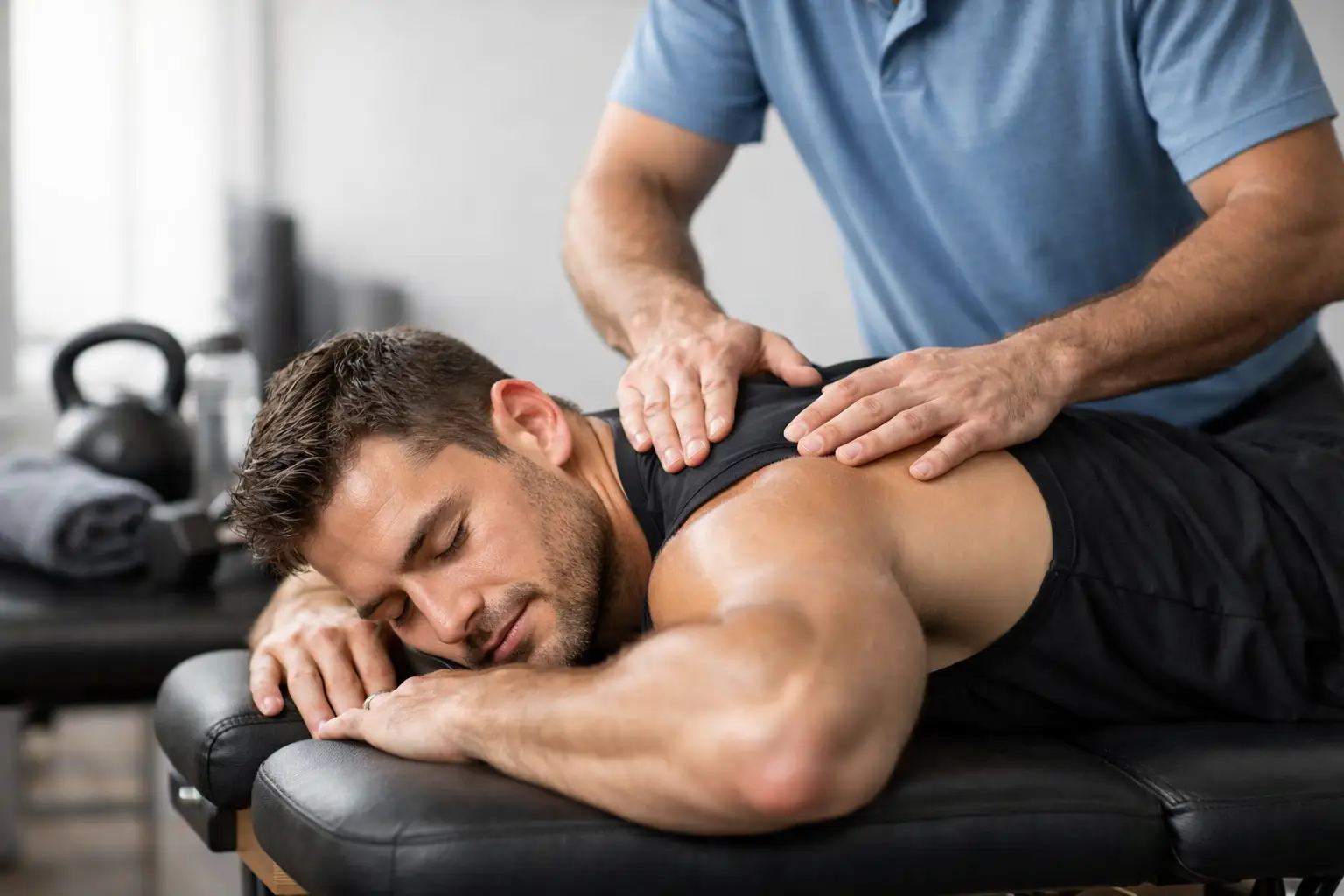
A hard workout can leave you feeling accomplished at first, then stiff, tight, and less like yourself the next morning. When soreness begins to limit how you move, work, sleep, or return to the activities you enjoy, chiropractic care for workout recovery can be a supportive part of a well-rounded plan. It is not a replacement for rest, hydration, nutrition, or thoughtful training, but personalized care may help you move more comfortably as your body recovers.
At Whole Health Chiropractic, recovery is treated as more than getting through one sore day. Your body, movement patterns, training routine, work demands, posture, and goals all matter. Gentle, individualized care can help address the areas of tension and restricted mobility that may be making recovery feel harder than it needs to be.
Why Workouts Can Leave You Feeling Stuck
Exercise places healthy stress on muscles, joints, and connective tissues. That stress is part of how the body adapts and becomes stronger. But a sudden increase in weight, mileage, intensity, new movements, or training frequency can also leave muscles sore and joints feeling restricted.
Sometimes the issue is simple delayed-onset muscle soreness after a new or demanding workout. In other cases, a recurring tight spot, limited range of motion, or postural imbalance may cause certain areas to work harder than they should. A desk-bound professional who lifts after work, for example, may notice that rounded shoulders and a stiff upper back affect overhead movements. A runner may feel that hip tightness changes their stride after long days on their feet.
These experiences do not always mean something is seriously wrong. They are useful signals to pay attention to. Recovery works best when it respects those signals rather than pushing through every ache without considering why it keeps returning.
How Chiropractic Care for Workout Recovery May Help
Chiropractic care focuses on the musculoskeletal system, particularly how the spine and joints move and function. For active adults, the goal is often to reduce discomfort, restore comfortable movement, and support better body mechanics during everyday life and exercise.
A chiropractor may use gentle spinal adjustments to address joint restrictions that contribute to stiffness or limited mobility. When appropriate, this hands-on care can be paired with an assessment of posture, movement habits, and the physical demands of your workouts. The experience should feel collaborative: you describe what you are feeling, what activities matter to you, and what progress would look like in your life.
For some patients, improved mobility may make it easier to return to a comfortable squat, turn the head while driving, reach overhead, or take a walk without feeling guarded. For others, the greatest benefit is having a clinician help identify patterns that keep showing up after training, such as tension through the neck and shoulders, hips, or lower back.
Chiropractic care is not designed to erase all post-workout soreness. Some soreness is a normal response to exercise, especially after a challenging session. A more realistic goal is to support healthy movement, address discomfort that lingers or interferes with daily life, and help you make informed choices about when to train, modify, or rest.
Gentle adjustments and mobility support
An adjustment is not a one-size-fits-all procedure. The approach should reflect your comfort level, health history, symptoms, and goals. Gentle techniques may be used to support joint motion and reduce the feeling of stiffness, particularly when your back, neck, or other areas feel restricted after repetitive training or prolonged sitting.
Your provider may also discuss simple mobility strategies that fit your current routine. The right recommendation depends on the person. Aggressive stretching, for instance, may not be helpful for an area that is acutely irritated, while controlled movement and temporary activity modification may be more appropriate.
Cupping therapy for muscle tension
Cupping therapy is another option some active patients find helpful for areas that feel tight or overworked. Cups create suction on the skin and underlying tissues, and the treatment may be used as part of a personalized plan for muscle tension and mobility concerns. Many people describe a sense of looseness afterward, though temporary circular skin marks are common.
Cupping is not necessary for everyone, and it is not a shortcut around recovery basics. It may be a useful complement when it fits your needs, preferences, and health history. A thoughtful provider will explain what to expect and help you decide whether it makes sense for you.
Postural analysis that connects the dots
Your workout rarely happens in isolation. Hours at a computer, carrying children, commuting, sleeping position, and the way you stand can all influence how your body feels when it is time to train. Postural analysis can help identify movement habits or imbalances that may be adding strain to already hardworking muscles and joints.
This is not about chasing a perfectly rigid posture. Bodies are meant to move and change positions. Instead, it is about recognizing patterns that may contribute to recurring discomfort and finding practical ways to create more variety, control, and comfort throughout the day.
When to Schedule Care Around Your Training
There is no universal rule for timing a chiropractic visit after exercise. Some people prefer care when stiffness is beginning to build, while others schedule appointments as part of an ongoing wellness routine. Your ideal timing depends on your training load, recovery needs, current symptoms, and how your body responds to care.
If you have a major race, competition, or demanding event approaching, communicate that clearly. The goal is not to introduce unfamiliar treatment at the last minute or leave you wondering how you will feel afterward. A personalized plan can account for your schedule and help you make decisions with confidence.
It is also wise to distinguish routine soreness from symptoms that need prompt medical evaluation. Seek appropriate medical care for severe or worsening pain, significant swelling, numbness or weakness, loss of balance, pain after a major fall or collision, chest pain, unexplained fever, or changes in bowel or bladder control. A chiropractor can help determine when co-management or referral is the right next step.
Build Recovery Habits That Work With Your Care
The best recovery plan is usually consistent and realistic, not complicated. Chiropractic treatment can support your progress, but what happens between visits matters too. Adequate sleep gives the body time to recover. Regular meals with enough protein and fluids support energy needs. Easy movement, such as walking or a comfortable mobility routine, may help you avoid feeling overly stiff after intense training.
Training adjustments also matter. If one movement repeatedly causes sharp pain or worsens symptoms, forcing more repetitions is rarely the answer. A temporary reduction in load, range of motion, volume, or frequency can protect your progress while you identify the issue. This does not mean giving up your active lifestyle. It means choosing a path that supports long-term strength and comfort.
Pay attention to the pattern, too. Is discomfort only present after a new workout? Does it appear after long workdays? Does it improve with rest but return every time you lift, run, cycle, or play a sport? Those details help shape a care plan that is centered on your actual life rather than a generic protocol.
A More Personal Approach to Recovery
Your body does not need to earn care by reaching a breaking point. Whether you are returning to exercise, training for a personal goal, managing a physically demanding job, or simply trying to feel better after your usual workouts, you deserve support that listens first.
A consultation is an opportunity to talk through what has changed, what feels limited, and what you want to do comfortably again. With gentle chiropractic care, cupping when appropriate, and postural guidance tailored to your needs, recovery can become part of your larger journey toward feeling strong, mobile, and at home in your body.
The next time post-workout stiffness starts crowding out the activities you enjoy, consider giving your recovery the same attention you give your training. A personalized conversation can be a meaningful first step toward moving with greater comfort and confidence.

Pingback: How to Reduce Tech Neck and Move More Freely - WHOLE HEALTH CHIROPRACTIC
Pingback: Chiropractic Versus Pain Medication for Relief - WHOLE HEALTH CHIROPRACTIC