

A stiff neck after answering emails, tight hips after a long drive, or sore shoulders the morning after a workout can make ordinary movement feel harder than it should. To prevent muscle stiffness, it helps to look beyond the moment discomfort appears and pay attention to the routines, posture, stress, and recovery habits that shape how your body feels each day.
Muscle stiffness is common, and it is not always a sign that something is seriously wrong. Often, it is your body’s response to staying in one position too long, doing more activity than it is prepared for, sleeping awkwardly, or carrying tension through a demanding week. Small, consistent changes can make a meaningful difference in your comfort and mobility.
Why Muscles Feel Stiff in the First Place
Muscles are designed to move. When they spend hours holding one position, such as sitting at a desk, standing at a counter, or looking down at a phone, they can begin to feel tight and resistant. The surrounding joints may move less freely as well, creating that familiar urge to stretch, twist, or “work out” a knot.
Overuse can have a similar effect. A new exercise class, a weekend of yard work, lifting boxes, or returning to activity after time away may leave muscles sore and guarded. Delayed soreness after exercise is normal for many people, but pushing through sharp pain or repeatedly training without enough recovery can keep stiffness hanging around.
Stress also has a physical side. Many people tighten their jaw, raise their shoulders, or brace through their low back without realizing it. If your body stays in that protective pattern day after day, muscle tension can become part of your normal baseline. A whole-person approach considers these daily pressures alongside movement and posture.
Build Movement Into Your Normal Day
One long workout cannot always balance out a day spent mostly still. Regular, gentle movement is often more helpful for preventing stiffness than waiting until you feel locked up and then doing too much at once.
Try changing positions every 30 to 60 minutes. Stand up for a few minutes, walk to refill your water, roll your shoulders, or perform a few comfortable neck and hip movements. The goal is not to create a complicated fitness routine at work. It is to remind your body that it can move in more than one direction.
A short walk is especially useful because it encourages natural movement through the hips, knees, ankles, and spine. If a full walk is not realistic during your schedule, even a few minutes around the house or office can help break up prolonged sitting.
Stretch With Intention, Not Force
Stretching can feel good, but forcing a tight muscle into a deep position can sometimes increase irritation. Move slowly, breathe normally, and stay within a comfortable range. You should feel gentle tension, not sharp pain, tingling, numbness, or a sense that something is being strained.
For many adults, the most helpful areas to address are the chest, shoulders, hip flexors, hamstrings, calves, and upper back. Your ideal routine depends on how you work, exercise, sleep, and move. A parent who spends time lifting a toddler may need different support than a runner, warehouse worker, or office professional.
Support Posture Without Chasing Perfection
There is no single “perfect” posture that you must hold all day. Even a well-aligned sitting position can become uncomfortable if you remain there too long. What matters most is variety, support, and awareness of the positions that repeatedly leave you feeling tense.
Set your work area up so your screen is near eye level, your shoulders can relax, and your feet have steady support. Keep frequently used items within easy reach to avoid constant twisting or leaning. If you work from a laptop, consider creating a more supportive setup when possible rather than spending every day bent over a low screen.
Pay attention to your driving posture, too. Long commutes can tighten the hips and low back, particularly when the seat is reclined too far or you are reaching toward the steering wheel. Adjust the seat so you can sit comfortably upright with your back supported and knees relaxed.
Postural analysis can be valuable when you are unsure what is contributing to recurring stiffness. It looks at the way you stand and move, helping identify habits or imbalances that may be placing extra strain on certain areas. This is not about criticizing how you hold your body. It is about finding practical opportunities to make movement feel easier.
Recover Well After Exercise and Physical Work
Exercise can improve mobility and support long-term wellness, but your body needs time to adapt. If you are starting a new routine or returning after a break, increase intensity gradually. A little challenge is useful. A dramatic jump in mileage, weight, repetitions, or activity time can leave muscles overwhelmed.
After activity, cool down with easy walking and comfortable mobility work instead of stopping abruptly. Hydration and regular meals also support recovery, particularly after sweating or spending hours doing physical work outside. Quality sleep matters as well. When sleep is short or restless, many people notice more aches, tension, and reduced energy the next day.
Heat may provide temporary comfort for muscles that feel generally tight, while a cold pack can feel soothing after a fresh minor strain or soreness. The right choice depends on what you are feeling. If symptoms are persistent or unclear, ask a qualified health professional rather than relying on the same remedy every time.
Make Stress Relief Part of Muscle Care
You cannot always remove stress from your schedule, but you can give your body regular chances to come out of its braced, tense state. Slow breathing, a brief walk outdoors, gentle yoga, quiet time before bed, or a few minutes away from screens can help some people relax their shoulders and jaw.
Notice your personal tension signals. Maybe you clench your teeth during meetings, grip the steering wheel in traffic, or wake with your shoulders close to your ears. Recognizing these patterns is a useful first step because it gives you a chance to reset before stiffness builds.
When Chiropractic Care May Help Prevent Muscle Stiffness
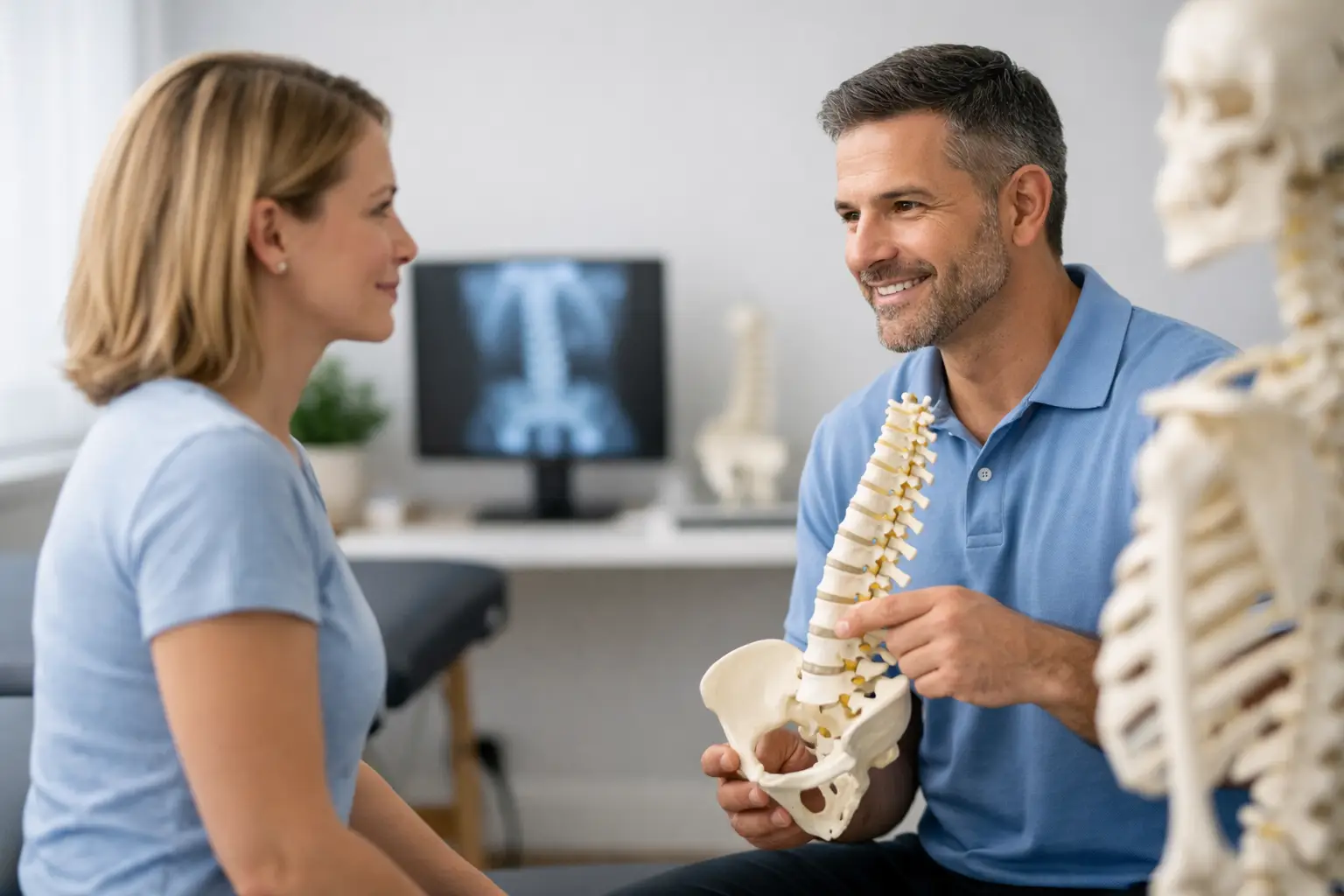
If stiffness keeps returning despite your best efforts, an individualized assessment can help clarify what your body may need. Gentle chiropractic care may support joint mobility, spinal alignment, and comfortable movement when stiffness is related to posture, repetitive strain, or restricted motion.
At Whole Health Chiropractic, care can include gentle spinal adjustments, cupping therapy, and postural analysis based on your comfort, concerns, and goals. Cupping therapy may be used to support circulation and ease muscle tension in targeted areas, while adjustments can help address areas of restricted movement. Your care plan should never feel one-size-fits-all. It should reflect your daily demands, activity level, health history, and the progress you want to make.
Chiropractic care works best as part of a broader wellness plan. Your provider may encourage changes to your workstation, movement habits, sleep position, or exercise routine so that relief is supported by practical habits between visits. Sustainable improvement usually comes from this combination of attentive care and consistent self-care.
Know When Stiffness Needs Prompt Medical Attention
Most everyday stiffness improves with rest, gentle movement, and appropriate care. However, seek prompt medical evaluation for stiffness accompanied by severe or worsening pain, significant swelling, fever, unexplained weakness, numbness, loss of coordination, chest pain, trouble breathing, or changes in bladder or bowel control. You should also be evaluated after a serious fall, collision, or other injury.
For recurring discomfort that affects work, sleep, exercise, or the activities you enjoy, do not assume you simply have to live with it. A thoughtful consultation can help you understand your movement patterns and identify conservative options that fit your needs.
Your body does not need perfection to feel better. A few walking breaks, more supportive positioning, patient recovery, and personalized guidance can create a steadier path toward easier movement and a more comfortable, active life.