

A stiff back can make ordinary moments feel unexpectedly difficult: getting out of the car, reaching for a child, sitting through a meeting, or returning to a favorite workout. Back mobility is not about forcing your body into dramatic stretches. It is about helping your spine, surrounding muscles, and daily movement habits work together so you can move with greater comfort, confidence, and ease.
For many adults, reduced mobility develops gradually. Long hours at a desk, repetitive lifting, stress-related muscle tension, old injuries, and limited movement throughout the day can all contribute. The good news is that gentle, consistent attention can often support meaningful progress – especially when your plan is based on how your body feels and what your life requires.
What Back Mobility Really Means
Back mobility describes your ability to move through comfortable ranges of motion in the spine and surrounding areas, including the hips, ribs, shoulders, and pelvis. Your back does not work alone. If your hips feel tight, your upper back is rounded from screen time, or your core is not providing steady support, the lower back may take on more work than it should.
Mobility is also different from flexibility. Flexibility usually refers to how far a muscle can lengthen. Mobility includes control, coordination, joint movement, strength, and your ability to use that range in real life. Being able to touch your toes is not necessarily the same as being able to lift groceries, turn to check your blind spot, or bend down without feeling guarded.
A healthy goal is not to make every part of your back equally loose. Some people need more movement in the mid-back or hips, while others need better stability and body awareness. This is why a one-size-fits-all stretching routine can be disappointing, or occasionally aggravating, for people with ongoing discomfort.
Why Your Back May Feel Stiff
Stiffness is not always a sign that something is seriously wrong. Sometimes it is your body’s response to doing the same thing for too long. Sitting for hours can leave the hip flexors and upper back feeling restricted. Repeated bending, carrying, or twisting can create fatigue. Stress may lead you to brace through the shoulders, jaw, and low back without even noticing it.
Sleep position, workout changes, dehydration, and recovery after illness can affect how your back feels, too. As we get busy, movement is often the first thing to disappear from the day. A quick walk becomes another meeting, or a planned strength session gives way to household responsibilities. Over time, the body can become less prepared for movements that once felt routine.
Pain and stiffness are not always the same thing, however. If you have severe pain after a fall or accident, new weakness, numbness, loss of bowel or bladder control, fever, unexplained weight loss, or pain that is steadily worsening, seek prompt medical evaluation. Those symptoms deserve timely attention rather than a home mobility routine.
Gentle Ways to Support Back Mobility
The most effective approach is usually the one you can repeat consistently. Rather than trying to fix everything in one long session, look for brief opportunities to move throughout your day. Start within a comfortable range, breathe normally, and avoid pushing through sharp, shooting, or increasing pain.
Change Positions Before You Feel Stuck
Your body benefits from variety. If you work at a computer, set a reminder to stand, walk, or change positions every 30 to 60 minutes. Even one or two minutes can help interrupt the pattern of prolonged sitting.
Try standing tall, gently rolling your shoulders, taking a few relaxed breaths, and walking to refill your water. These small resets may seem simple, but they give your joints and muscles more frequent opportunities to move.
Include Your Hips and Upper Back
When people say their back feels tight, they often focus only on the low back. Yet hip movement and upper-back rotation can make a noticeable difference in how the entire body feels.
A comfortable daily routine might include a short walk, gentle hip stretches, supported upper-back rotation, and easy shoulder movements. The right choices depend on your history, current symptoms, and activity level. If a movement causes discomfort, modify the range, slow down, or stop and ask a qualified provider for guidance.
Build Strength Alongside Movement
Mobility tends to feel more useful when your body can control it. Simple strengthening for the core, hips, glutes, and upper back may help support better movement patterns during work, exercise, and daily tasks.
This does not require an intense gym program. Bodyweight movements, careful resistance training, or a professionally guided exercise plan can all be appropriate. The trade-off is that too much, too soon may increase soreness or cause you to compensate. Start where you are, not where you think you should be.
Pay Attention to How You Lift and Carry
Perfect posture is not a position you have to hold all day. Still, greater awareness during repetitive tasks can reduce unnecessary strain. When lifting, keep an item close to your body, use your legs and hips when possible, and avoid twisting while carrying a heavy load.
For parents, this may mean bringing your child close before standing rather than reaching from an awkward angle. For active adults, it may mean slowing down during yardwork or adjusting how you load workout equipment. Small changes in setup can matter as much as the exercise itself.
How Posture Affects Movement
Posture is often discussed as though there is one correct shape everyone should maintain. In reality, the best posture is usually one that changes. The body is designed to move, shift, reach, sit, stand, and rest.
That said, habitual patterns can reveal useful information. A forward head position, rounded shoulders, uneven weight bearing, or an exaggerated low-back arch may be connected to muscle tension or movement limitations. Postural analysis can help identify patterns worth addressing without making you feel as though you have to stand like a statue.
The goal is not perfection. It is to help your body find more comfortable, efficient options throughout the day. Sometimes that means adjusting your workstation. Sometimes it means strengthening certain areas, improving hip movement, or simply taking more movement breaks.
When Personalized Chiropractic Care May Help
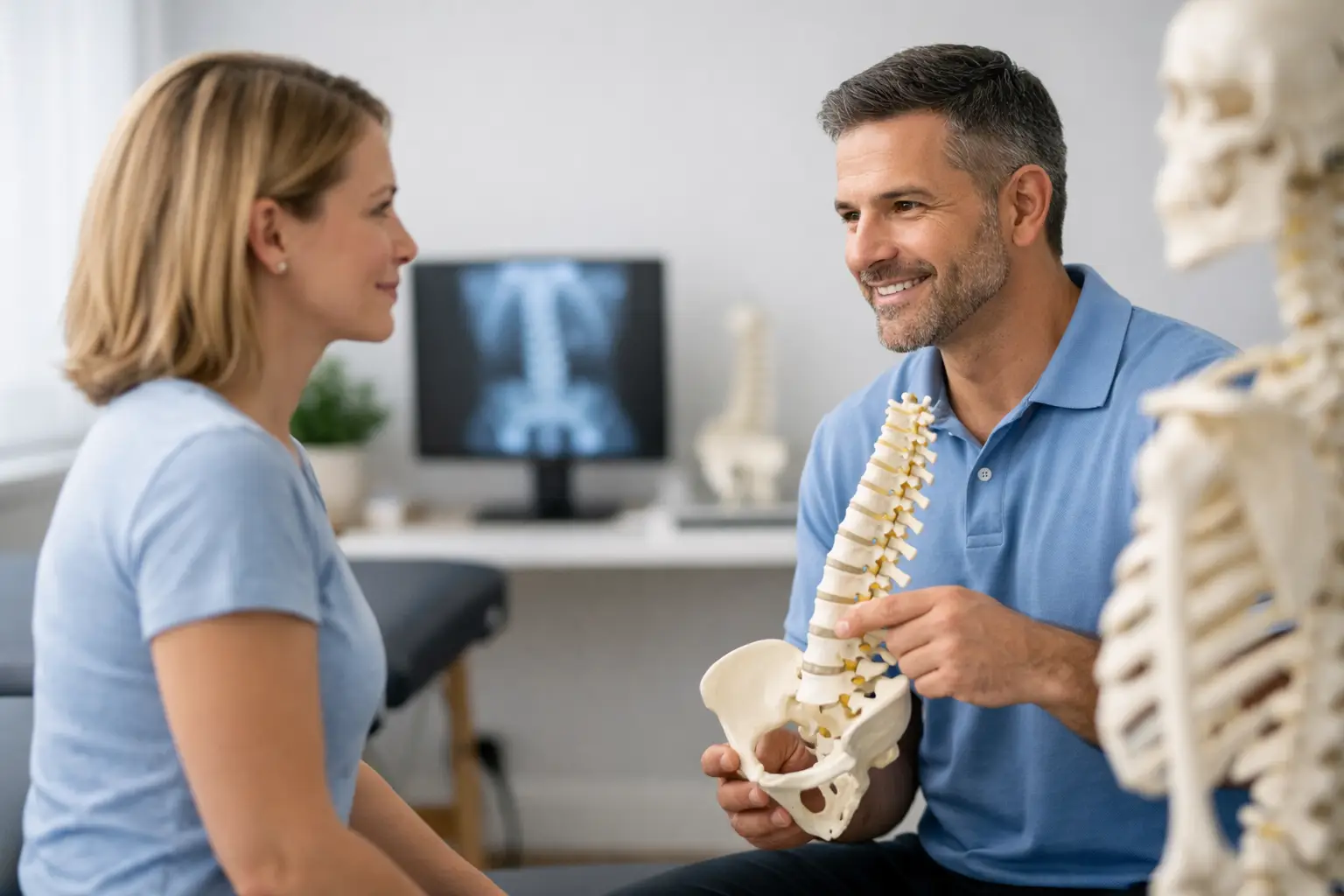
If stiffness, tension, or limited movement keeps returning, personalized care can provide another layer of support. At Whole Health Chiropractic, care begins with listening to your concerns, understanding your routines, and considering what you want to get back to – whether that is exercising comfortably, keeping up with your family, or getting through the workday with less restriction.
Gentle spinal adjustments may be used to support joint motion and alignment. Cupping therapy may help address muscle tension and encourage circulation in areas that feel tight or overworked. Postural analysis can help clarify movement habits and identify where targeted support may be helpful.
Chiropractic care is not a substitute for emergency medical care, and it is not a promise that every condition will resolve in the same way. Your response can depend on the source of your symptoms, your health history, activity demands, sleep, stress, and consistency with recommended care. A thoughtful plan respects those differences instead of offering a generic solution.
For some patients, the best plan includes chiropractic care along with walking, mobility exercises, strength work, ergonomic changes, or coordination with another healthcare professional. Your care should fit your goals and help you feel informed at every step.
A More Sustainable Way to Move
Progress with back mobility is often quieter than people expect. You may first notice that you can turn more easily when parking, stand up after sitting with less stiffness, or finish a walk feeling less guarded. Those small changes can build confidence and make it easier to stay active.
Be patient with your body. Choose movements that feel manageable, make room for regular recovery, and seek individualized support when stiffness is limiting the life you want to live. Comfortable movement is not an all-or-nothing goal – it is something you can nurture, one thoughtful choice at a time.