

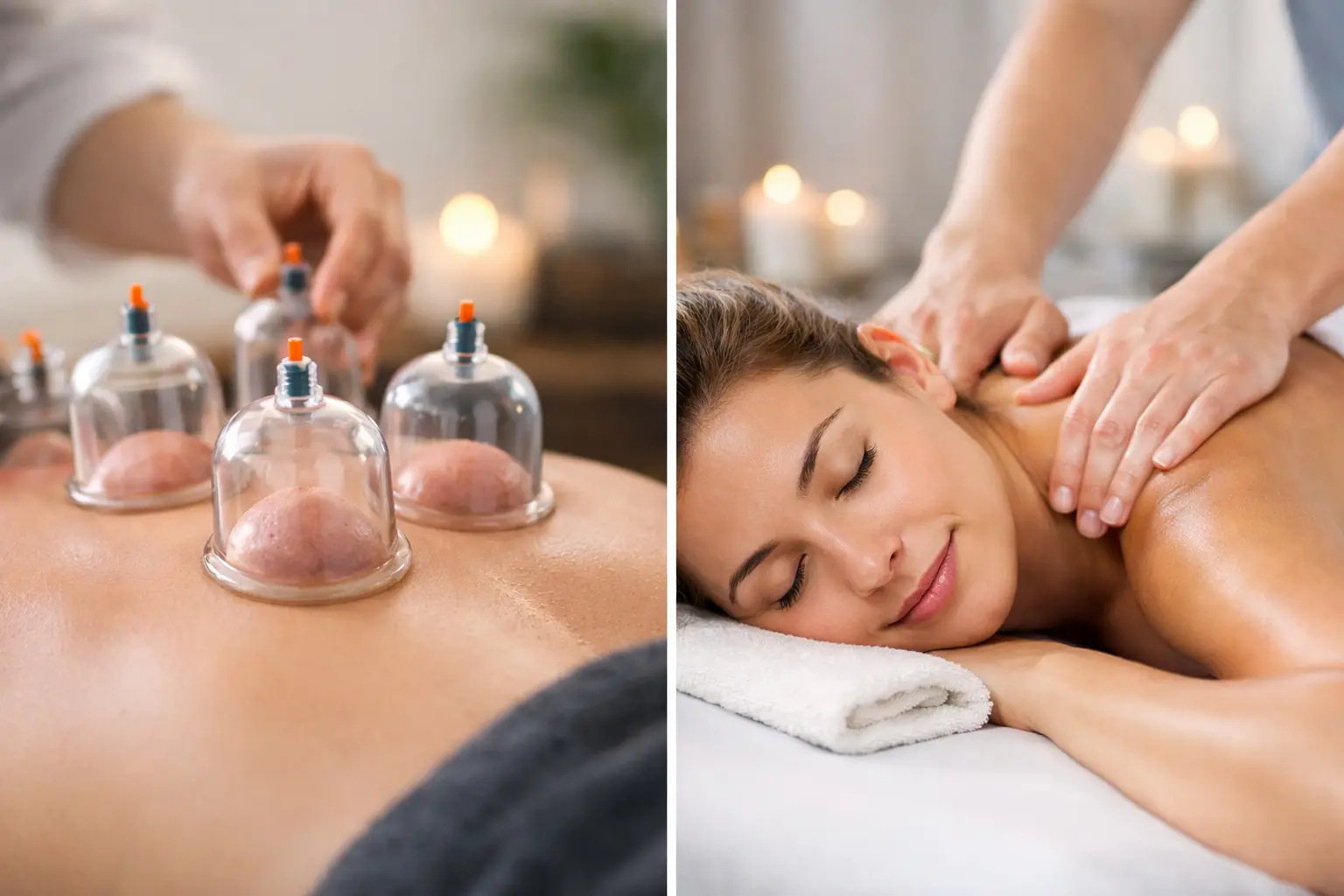
A tight upper back after hours at a desk, sore legs after a weekend workout, or a neck that refuses to turn comfortably can all leave you wondering which hands-on treatment may help. When considering cupping therapy versus massage therapy, the best choice is rarely about which service is “better.” It is about what your body is telling you, how sensitive you feel, and whether your goal is short-term relief, improved movement, or ongoing support for healthier posture and mobility.
Both treatments can be valuable parts of a personalized wellness plan. They simply work differently, feel different during the session, and may fit different comfort levels and concerns.
Cupping Therapy Versus Massage Therapy: The Core Difference
Massage therapy uses the practitioner’s hands, forearms, or specialized tools to apply pressure and movement to soft tissues. Depending on the technique, a massage may involve long gliding strokes, kneading, gentle stretching, or more focused pressure on an area of tension. Many people choose massage because it feels calming and familiar while helping them feel less stiff and more comfortable.
Cupping therapy uses cups placed on the skin to create suction. The suction gently lifts the skin and underlying soft tissue rather than pressing down into it. Cups may stay in one place briefly or be moved across the skin with a lubricant. People often describe the sensation as a pulling or stretching feeling. It should not feel sharply painful.
That difference matters. Massage is often a good fit when you want direct, hands-on work on tight muscles or simply want to relax. Cupping may be useful when a provider identifies areas of restricted soft-tissue movement, lingering muscle tightness, or discomfort that could benefit from a gentler lifting approach.
Neither treatment needs to be an all-or-nothing decision. Some care plans use both at different times, especially for patients working to move more comfortably, improve posture, or recover from the demands of work and activity.
When Cupping May Be the Better Fit
Cupping is commonly considered for people who feel broad areas of tightness across the upper back, shoulders, hips, or legs. It can be particularly appealing if deep, downward massage pressure tends to make you guard, tense up, or feel overly sore afterward. Because the cups create a different type of contact with the tissue, some patients find it more comfortable than intensive manual pressure.
A cupping session is usually brief and tailored to your tolerance. Your provider may use it before gentle spinal adjustments or mobility work to help address muscle tension that is affecting how you move. For an active adult, it may support recovery after repetitive training. For a working professional, it may be part of a plan for the shoulder and upper-back tension that builds during long days at a computer.
Cupping often leaves temporary circular marks. These marks are not bruises in the usual sense, although they can range from light pink to dark red or purple depending on your skin and the amount of suction used. They are usually not painful and commonly fade over several days to about two weeks. If visible marks would make you uncomfortable before an event, a beach day, or a presentation, timing is worth discussing before treatment.
Research on cupping is still developing. Some people report meaningful relief in pain and mobility, while evidence varies by condition and study quality. A caring provider should be honest about that uncertainty and use cupping as one thoughtful component of care, not as a promise of a cure.
When Massage May Be the Better Fit
Massage can be especially helpful when you want relaxation alongside support for muscle tension and stiffness. The steady contact and rhythmic movement may help your nervous system settle, which can make it easier to release the habit of holding tension in your jaw, shoulders, back, or hips.
It may also make sense when a very targeted area needs attention. For example, a practitioner can adjust the pressure around tight neck muscles, work gradually around a tender shoulder, or use gentle techniques for sore legs after activity. Communication is central. More pressure is not automatically more effective, and a good session should be adapted as your body responds.
Massage can create temporary tenderness, particularly after deeper work. It is generally wise to plan a lighter activity day after an intense session, drink water as you normally would, and pay attention to how you feel over the next 24 to 48 hours. If soreness is substantial or lasts longer than expected, tell your provider so future care can be adjusted.
For people who are new to hands-on treatment, massage may feel like an approachable first step. Yet if pressure feels overwhelming, cupping or gentler manual techniques may be a more comfortable place to begin.
What to Expect During Each Treatment
Your experience should begin with a conversation, not a one-size-fits-all protocol. A provider should ask where you feel discomfort, what movements are limited, how long symptoms have been present, what makes them better or worse, and what you hope to return to doing. Postural habits, exercise routines, work demands, sleep, and stress can all shape a care recommendation.
During massage, you will typically lie on a treatment table while the provider works directly on the selected areas. You can always ask for lighter pressure, a change in position, or a break. During cupping, cups are placed over the planned treatment area, often for several minutes. You may feel warmth, stretching, or a strong but manageable pull. Your provider should check in regularly and adjust the suction if needed.
After either service, gentle movement can be helpful. A short walk, easy range-of-motion exercises, or the corrective movements recommended by your provider may help you carry the benefits of the session into daily life. One appointment can feel restorative, but lasting progress usually comes from pairing care with changes that support your body between visits.
Safety and Situations That Need Extra Care
Both massage and cupping should be provided by a trained professional who understands your health history. They may not be appropriate over open wounds, active skin infections, sunburned skin, or areas of acute injury. Cupping also requires extra caution if you have a bleeding disorder, take blood-thinning medication, have significant skin sensitivity, or are pregnant. Massage techniques may need modification for osteoporosis, recent surgery, inflammation, nerve symptoms, and certain medical conditions.
New severe pain, unexplained swelling, weakness, numbness, fever, chest pain, or pain after a major injury deserves medical evaluation rather than a wellness treatment alone. Conservative care can be a meaningful part of your health journey, but it should never delay appropriate diagnosis or urgent care.
How These Therapies Can Support Chiropractic Care
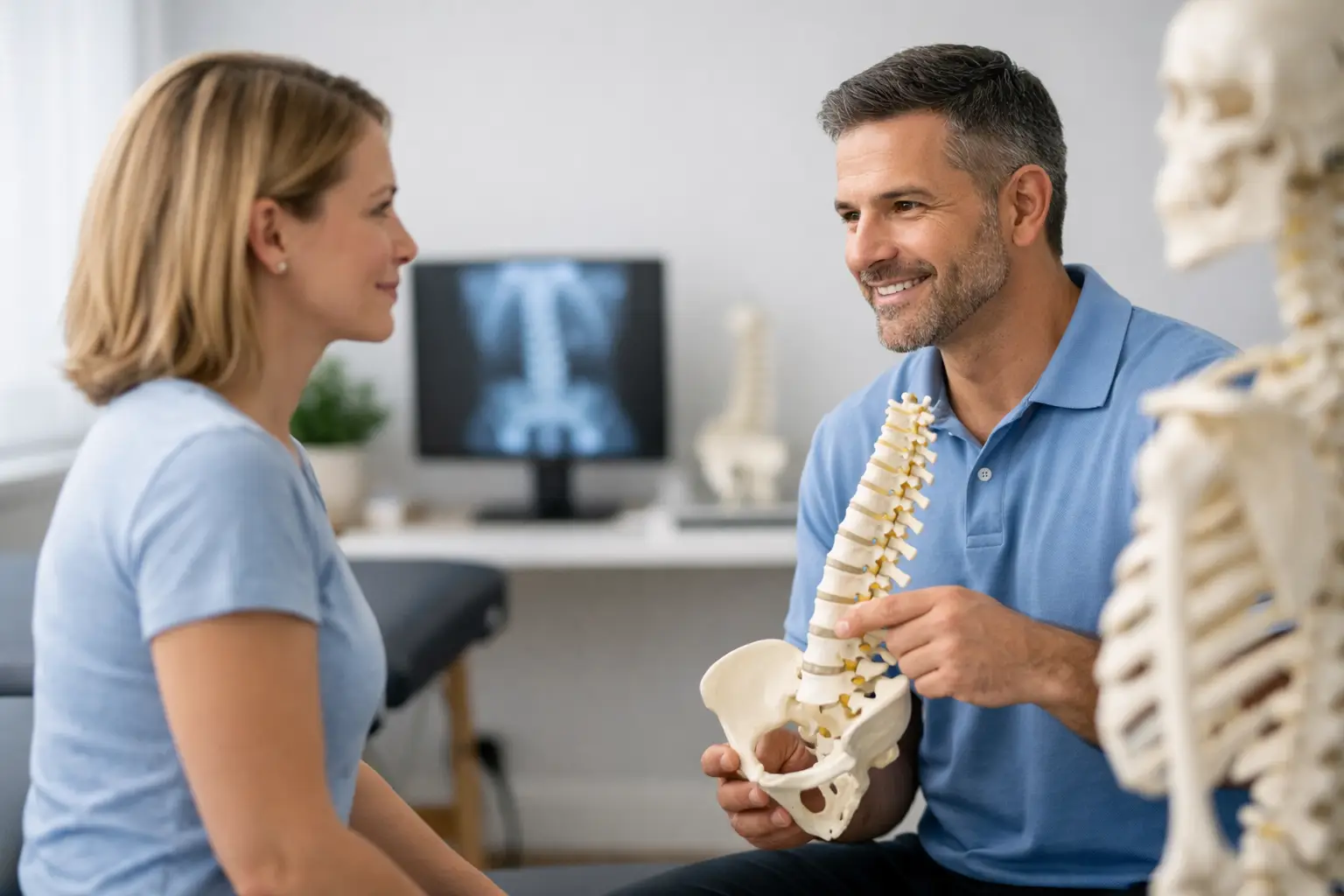
Muscles, joints, and posture influence one another. When tight tissue makes it hard to turn your head, stand upright, or move through a full range of motion, hands-on soft-tissue care may complement gentle chiropractic adjustments and postural analysis. The goal is not just to chase the spot that hurts. It is to understand the movement patterns and daily stresses contributing to it.
At Whole Health Chiropractic, personalized care can combine gentle adjustments, cupping therapy, mobility guidance, and attention to postural habits when appropriate. A patient with recurring low-back tension may need a different plan than someone with exercise-related shoulder tightness or desk-related neck stiffness. Your comfort, goals, and response to care should guide each next step.
Choosing the Treatment That Feels Right for You
Start with your main concern. If you want soothing hands-on pressure and a relaxation-focused experience, massage may be the natural choice. If you have broad tightness, prefer less direct pressure, or are curious about a lifting sensation across restricted areas, cupping may be worth discussing. If you have more than one concern, a combination may offer the most balanced support.
The most useful question is not, “Which treatment works best for everyone?” It is, “What does my body need right now?” A thoughtful consultation can turn that question into a plan that respects your comfort and helps you move toward feeling your best.
Pingback: Can Cupping Leave Bruises? What the Marks Mean - WHOLE HEALTH CHIROPRACTIC