

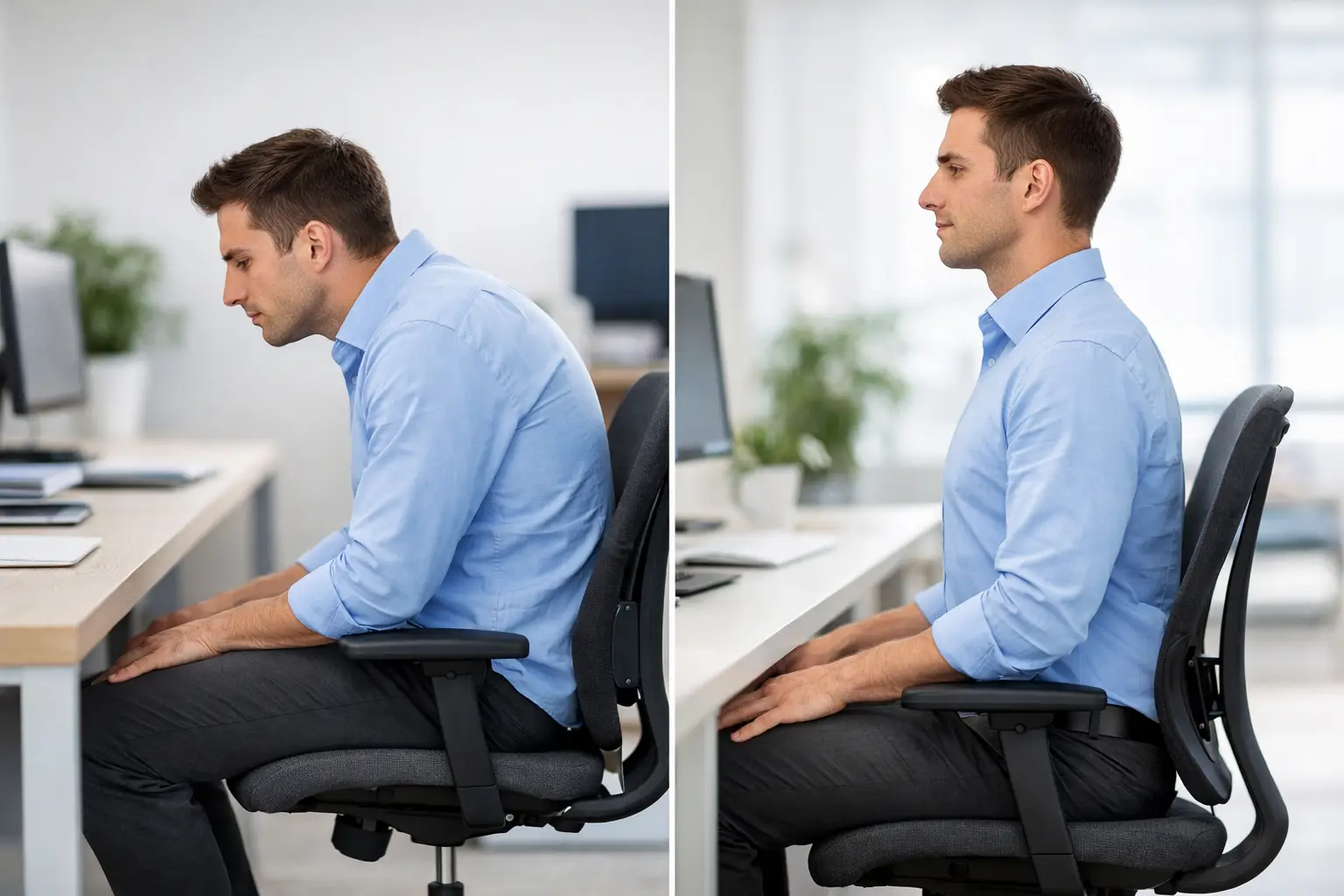
A workday can quietly shape the way your body feels. Hours spent leaning toward a laptop, looking down at a phone, driving, lifting children, or favoring one side while carrying a bag can leave your neck tight, your shoulders rounded, and your lower back fatigued. If you have started to notice those changes, you may be asking: is poor posture reversible?
For many people, the answer is encouraging: posture can often improve with consistent, individualized support. The goal is not to hold yourself in one stiff, “perfect” position all day. It is to help your body move well, build tolerance for daily demands, and reduce the strain that keeps pulling you into uncomfortable patterns.
Is Poor Posture Reversible?
Poor posture is usually not a permanent condition. It is often a collection of habits, muscle imbalances, movement limitations, pain responses, and work or lifestyle demands that have developed over time. With the right plan, many people can improve their postural awareness, mobility, strength, and comfort.
How much change is possible depends on the person. A posture pattern related to prolonged sitting and muscle tension may respond well to regular movement breaks, targeted exercises, and hands-on care. Long-standing spinal changes, arthritis, a past injury, scoliosis, or a neurological condition may limit how much the body’s shape changes. Even then, supportive care can still help improve mobility, reduce discomfort, and make everyday movement feel easier.
That distinction matters. Posture care is not about promising a perfectly straight spine or a quick fix. It is about understanding what your body needs and making meaningful progress toward feeling more comfortable, capable, and confident.
What “Good Posture” Really Means
Many people picture good posture as shoulders pulled back, chest lifted, and chin held high at all times. Trying to maintain that position rigidly can actually create more tension. Healthy posture is more flexible than that.
A supportive posture allows your body to distribute load comfortably while you sit, stand, walk, exercise, and rest. It also changes throughout the day. The best position is often the next position, especially if you have been still for a long time.
Rather than chasing an ideal image, it can help to notice patterns. Does your neck tighten after computer work? Does one hip feel restricted after standing? Do you slump more when you are tired or stressed? These clues can point to the movements, routines, and areas of tension that deserve attention.
Why Posture Changes in the First Place
Posture is influenced by far more than willpower. Your workstation setup, activity level, strength, flexibility, sleep position, stress, injuries, and even vision can affect how you carry yourself. Pain can also change posture. When a joint or muscle hurts, the body naturally tries to protect it by shifting away from the discomfort. Over time, that protective strategy may become a habit.
A desk job is a common example. Sitting itself is not automatically harmful, but sitting in the same position for hours can leave the hips and upper back feeling stiff. If your screen is too low, you may repeatedly bend your neck forward. If your chair does not support you well, you may lean or twist to find a more comfortable position.
Active people can experience posture-related strain too. Repetitive training, one-sided sports, heavy lifting without adequate recovery, or returning to exercise after time away can create uneven tension. Parents and caregivers often feel it from holding a child on one hip, bending over cribs, and carrying gear. The body adapts to what it does most often.
Signs Your Posture May Need Attention
Posture is not always the sole cause of pain, and discomfort should not be ignored simply because you think it is “just posture.” Still, certain patterns can suggest that your daily movement habits are placing extra stress on your body.
You may notice frequent neck or upper-back tension, headaches that seem connected to muscle tightness, shoulder discomfort, low-back fatigue, jaw tension, or stiffness after sitting or standing. You may also find it harder to turn your head fully, reach overhead, take a comfortable walk, or maintain energy late in the day.
If pain is severe, follows a fall or accident, causes numbness or weakness, comes with changes in balance or bowel or bladder control, or persists without improvement, seek prompt medical evaluation. A personalized assessment is especially valuable when symptoms interfere with work, sleep, exercise, or the activities you enjoy.
A Practical Approach to Improving Posture
Lasting change usually comes from small actions repeated consistently, not from forcing yourself into a position for a few days. Your plan should fit your body, schedule, and goals.
Start With a Postural Assessment
A postural assessment looks beyond where your shoulders sit in a photo. It considers how you stand, move, bend, rotate, and compensate. It may also explore your daily routines, past injuries, work setup, exercise habits, and areas of discomfort.
This bigger picture helps identify whether tightness, limited joint mobility, muscle weakness, repetitive strain, or another factor may be contributing to your symptoms. A personalized plan can then focus on the changes most likely to support your progress rather than relying on generic posture advice.
Build More Movement Into Your Day
Your body benefits from variety. If you work at a desk, stand up and move regularly instead of waiting until you feel stiff. A brief walk, gentle shoulder rolls, a few comfortable neck movements, or changing from sitting to standing can interrupt the buildup of tension.
You do not need an intense workout every hour. Frequent, manageable movement is often more realistic and more sustainable. Set a reminder if needed, but choose a rhythm you can keep even during a busy week.
Make Your Workspace Work for You
Ergonomic changes can reduce unnecessary strain, especially when paired with regular movement. Position your screen near eye level so you are not continually looking down. Keep frequently used items within easy reach. Support your feet and avoid sitting on the edge of the chair for long stretches.
There is no single workstation setup that works for everyone. Your height, chair, desk, screen, and job tasks all matter. The key is to create a setup that lets you work comfortably and change positions easily.
Improve Mobility and Strength Gradually
When certain areas feel stiff, gentle mobility work can help restore comfortable motion. When muscles have become less active or less resilient, appropriate strengthening can improve support for daily activities. The right exercise choices depend on your needs. Someone with tight hips and low-back fatigue may need a different routine than someone with forward-head posture and recurring upper-back tension.
Progress should feel challenging but manageable, not punishing. Pushing through sharp pain or forcing a stretch can make symptoms worse. A provider can help you understand which movements are appropriate and how to progress safely.
Address Pain and Tension, Not Just Appearance
It is difficult to change posture when your body is guarding against pain. Gentle chiropractic adjustments may help improve joint motion and reduce musculoskeletal discomfort for some patients. Cupping therapy may also be used to address areas of muscle tension and support circulation in soft tissues.
At Whole Health Chiropractic, care can combine gentle spinal adjustments, cupping, postural analysis, and guidance tailored to your routines and wellness goals. The focus is on helping you move with greater ease while supporting habits that can carry into work, exercise, and home life.
How Long Does It Take to See Results?
Posture improvement is rarely instant because the patterns behind it did not appear overnight. Some people notice relief from stiffness or better body awareness within a few visits or a few weeks of consistent movement. More meaningful changes in strength, mobility, and daily habits often take longer.
Your timeline depends on the cause of your symptoms, the duration of the pattern, your overall health, stress level, activity demands, and how consistently you can follow your care recommendations. Progress is not always linear. A demanding workweek, poor sleep, travel, or an increase in exercise can temporarily bring symptoms back.
That does not mean you have failed. It simply means your body may need a thoughtful adjustment to the plan. Sustainable wellness leaves room for real life.
When Professional Support Can Help
If you have tried sitting up straighter but still feel tight, sore, or limited, the issue may be more complex than a reminder on your phone can solve. Professional guidance can help you distinguish between a habit that needs retraining and a mobility or pain issue that deserves hands-on care.
A consultation provides space to discuss what you are experiencing, what activities matter most to you, and what a realistic path forward could look like. Whether your goal is to work more comfortably, return to exercise, keep up with your family, or simply feel your best in your body, small, personalized steps can create lasting momentum.
Your posture is not a grade and it does not define your health. It is one useful signal from your body. Listen to it with curiosity, give it regular movement and support, and let progress be measured by how freely and comfortably you can live.