

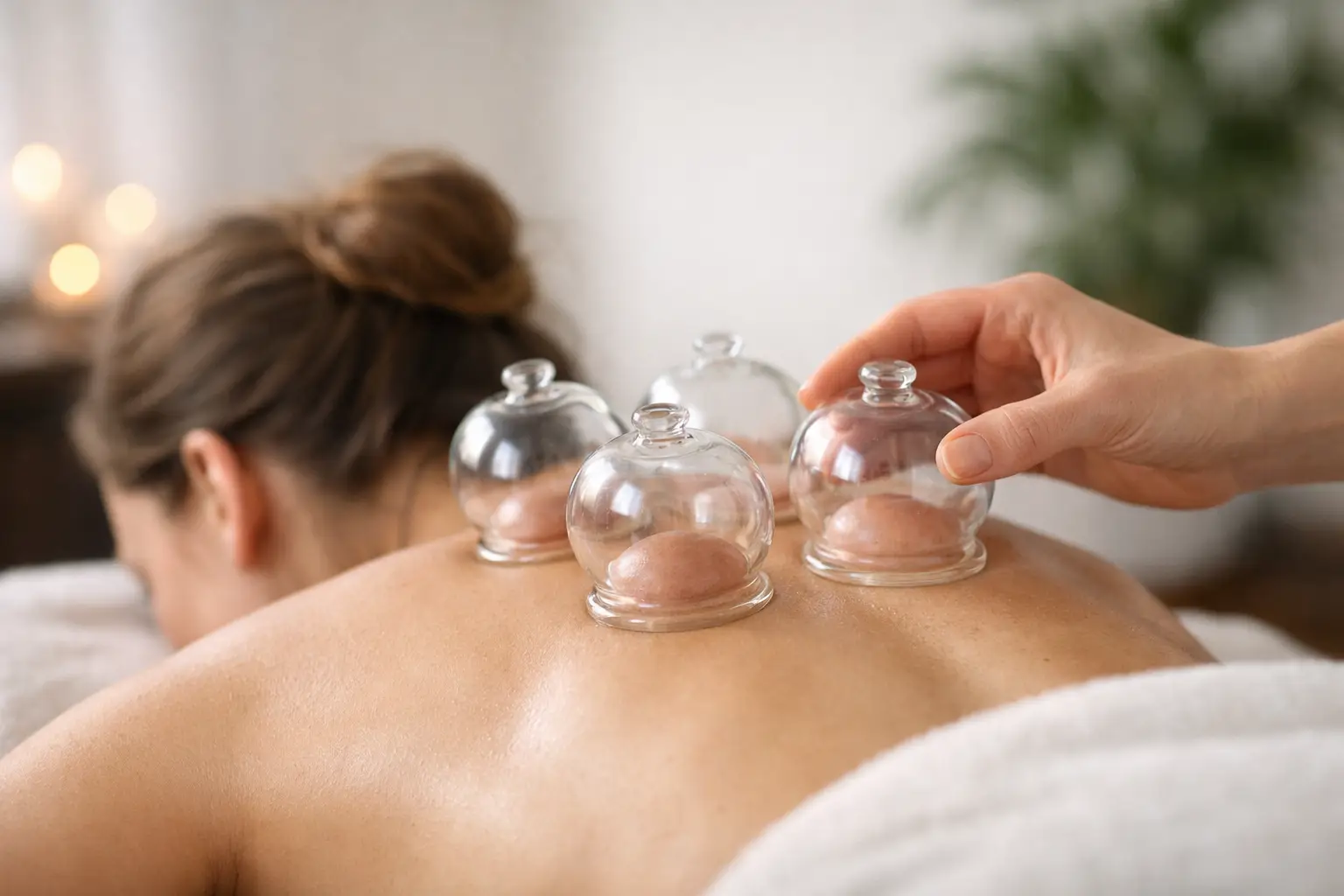
Those round marks on an athlete’s back can make cupping therapy look more intense than it feels. So, is cupping painful? For most people, dry cupping creates a strong pulling or pressure sensation, not sharp pain. The experience should feel purposeful and tolerable, and your provider can adjust it at any point.
Cupping is often used to support people dealing with muscle tightness, limited mobility, workout-related soreness, and the physical strain of long workdays. At Whole Health Chiropractic, comfort is part of the conversation from the start. Your care should be tailored to your body, your goals, and your response during treatment.
Is Cupping Painful? The Short Answer
Cupping can feel unusual the first time, especially if you are used to massage or spinal adjustments. A provider places cups on the skin and creates gentle suction. Rather than pressing downward into muscle as massage does, the cups lift the skin and superficial tissues upward.
That lifting sensation may feel tight, warm, or mildly intense. Some patients describe a brief pinch as the cup is applied, followed by a steady pulling feeling. Areas that are already tense or sensitive may feel more noticeable than relaxed areas.
Pain is not the goal. If a cup feels sharp, burning, pinching, or overwhelmingly uncomfortable, speak up immediately. The amount of suction, the size of the cup, its placement, and the length of treatment can all be modified. A caring provider will check in with you instead of expecting you to push through discomfort.
It also helps to distinguish dry cupping from other methods. This article refers to dry cupping, which uses suction on intact skin. Wet cupping involves intentionally making small openings in the skin and is a different procedure with different considerations.
What Cupping Therapy Usually Feels Like
During your session
The first few seconds are often the most noticeable. Once the cups are in place, many people settle into the sensation and find it relaxing. You may feel warmth in the area, a gentle stretch across a tight muscle, or a sense that the tissue is beginning to release.
Some providers leave cups in place for several minutes. Others may use glide cupping, moving a cup across lubricated skin. Glide cupping can feel similar to a deep, slow massage, although it may create more temporary redness because of the movement across the skin.
Your first session does not need to be aggressive to be worthwhile. Starting with lighter suction gives your body and your provider useful information about your comfort level. As treatment progresses, your care plan can be adjusted around what helps you feel better and move more freely.
After your session
After cupping, the treated area may feel loose, warm, or mildly tender, much like it can after a massage or a new workout. Some people feel relief right away, while others notice gradual improvement over the next day or two. Your response can depend on the condition being addressed, your activity level, hydration, sleep, and how much tension was present before care.
Temporary soreness is possible, particularly when very tight muscles are treated. Sharp or worsening pain, substantial swelling, numbness, blistering, or signs of a skin reaction are not typical responses and deserve prompt attention from a healthcare professional.
Why Do Cupping Marks Form?
The circular marks associated with cupping are usually temporary changes in skin color caused by suction. The suction can bring more blood to the surface tissues and may cause small blood vessels under the skin to respond. The marks can range from light pink to deep red or purple, depending on your skin tone, the amount of suction used, and how long the cups remain in place.
They are not the same as a painful injury, and darker marks do not prove that a treatment was more effective. They also do not indicate that toxins are leaving the body. Most marks fade over several days to two weeks, though timing varies from person to person.
If you have an event, vacation, or work situation where visible marks would be inconvenient, let your provider know. Lighter suction, different placement, or another hands-on approach may be a better fit for that visit.
What Can Make Cupping Feel More Intense?
Your experience is personal, and several factors can influence it. Cupping may feel stronger when muscles are already irritated after exercise, when the skin is dry or sensitive, or when treatment is performed over an especially tight area such as the shoulders, upper back, hips, or calves.
Your expectations matter, too. People who are nervous about treatment can become more aware of every new sensation. That is why a clear explanation and regular check-ins can make a meaningful difference. Knowing what is normal helps your body relax rather than brace against the experience.
For a comfortable session, it can help to arrive hydrated, eat normally unless your provider advises otherwise, and wear clothing that allows access to the area being treated. Afterward, give yourself room to notice how you feel. Gentle movement is often more comfortable than jumping straight into a demanding workout.
How Personalized Cupping Care Supports Comfort
Cupping should never be treated as a one-size-fits-all service. A thoughtful provider considers your current pain level, movement limitations, health history, skin sensitivity, activity demands, and preferences before selecting an approach.
For example, a desk-bound professional with tight shoulders may benefit from a gentler session focused on upper-back tension and posture-related strain. An active adult recovering from a hard training week may need a different level of suction and placement. Someone who is new to hands-on care may prefer to begin slowly and combine cupping with gentle spinal adjustments, mobility support, or postural analysis.
The goal is not to leave the darkest marks or create the strongest possible sensation. The goal is to support comfortable movement, reduce muscle tension when appropriate, and help you move toward the activities that make you feel your best. Your feedback during every visit helps guide that process.
When to Ask Before Trying Cupping
Cupping is not appropriate for every person or every body area. Before treatment, share your full health history and any medications or supplements you take. A qualified provider may recommend avoiding or modifying cupping if you have:
- A bleeding disorder, easy bruising, or use blood-thinning medication
- Broken skin, a rash, sunburn, an active skin infection, or an open wound in the treatment area
- A history of blood clots or a medical condition that affects circulation
- Pregnancy, recent surgery, cancer treatment, or another condition requiring special precautions
This does not automatically mean you cannot receive supportive musculoskeletal care. It means the plan should be carefully individualized, and in some cases, coordinated with your medical team. There are often other gentle options for addressing stiffness, mobility concerns, and postural stress.
Common Questions About Cupping Discomfort
Does cupping hurt more than massage?
It depends on the person and the technique. Massage usually applies pressure into the muscles, while cupping creates a pulling sensation. Some people find cupping gentler than deep-tissue massage because it does not press directly into a tender spot. Others need time to get used to the suction. Both should be adjusted to a level you can tolerate comfortably.
How long do cupping marks last?
Many marks fade within a few days, but they can remain visible for one to two weeks. Lighter suction and shorter treatment times may produce less noticeable marks. Your provider can discuss what to expect based on your skin and the treatment approach.
Can I stop if I do not like the feeling?
Absolutely. You are in control of your care. Tell your provider if the sensation is too strong, if a cup feels uncomfortable, or if you simply do not want to continue. Good care is collaborative, and your comfort is useful clinical information.
Feeling nervous before a first cupping session is completely understandable. A calm conversation, a gentle starting point, and a provider who listens can turn an unfamiliar therapy into one more supportive tool on your journey toward greater comfort, mobility, and whole-person well-being.