
A long afternoon at your desk, a demanding workout, lifting a toddler from the car seat, or a long drive can all leave your low back and hips feeling uneven, tight, or simply not like themselves. This guide to pelvic alignment can help you understand what may be contributing to that discomfort, what supportive movement habits look like, and when it may be time for personalized care.
Pelvic alignment is often discussed as though the pelvis is either perfectly level or seriously out of place. In reality, the body is more adaptable than that. Small differences in posture and movement are common, and many people have no pain at all. What matters most is how well your hips, pelvis, spine, and surrounding muscles work together during the activities that make up your life.
What Pelvic Alignment Means
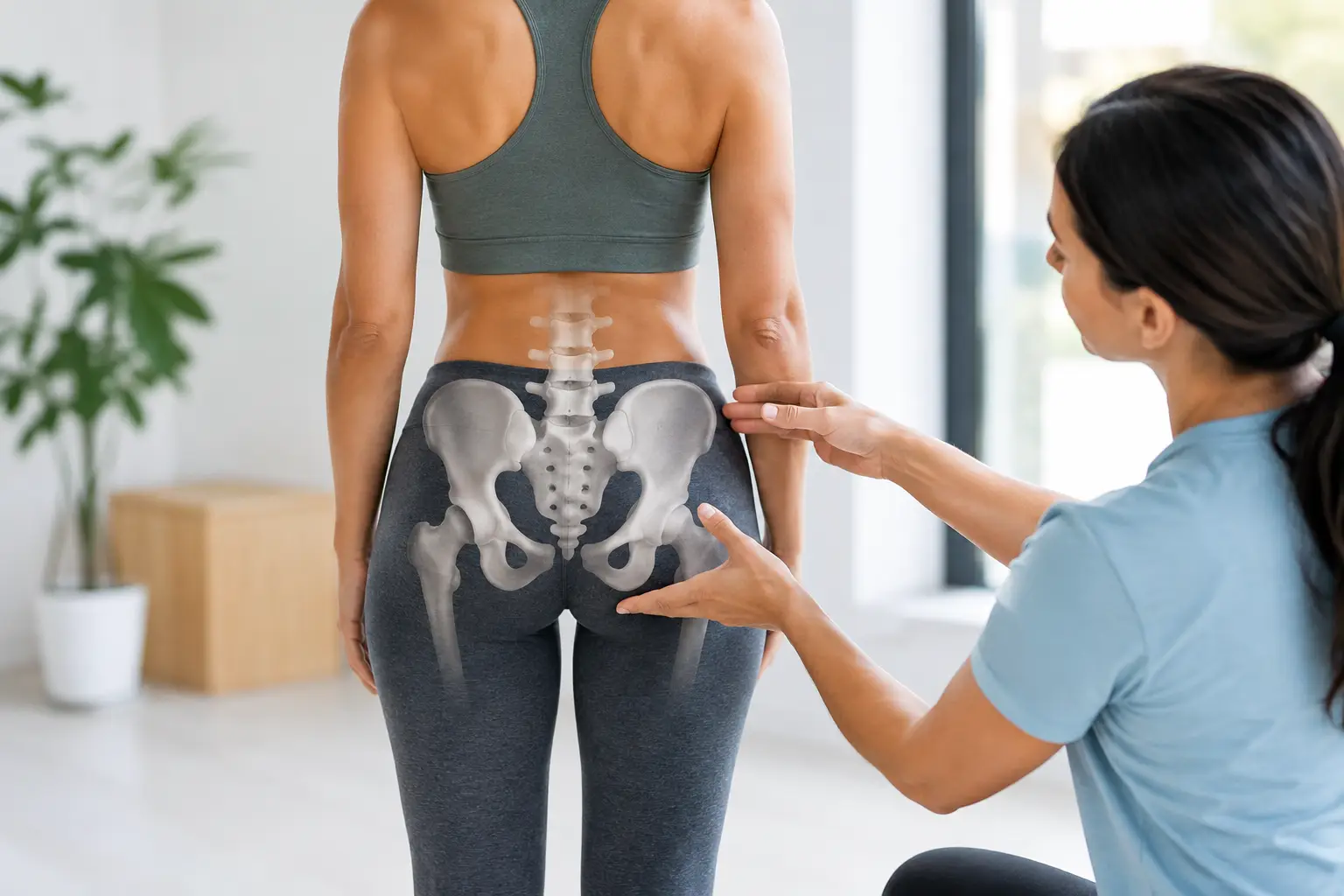
Your pelvis is the sturdy, bowl-shaped structure that connects your spine to your legs. It plays a central role in standing, walking, bending, sitting, and transferring force through the body. The muscles around it, including the glutes, hip flexors, abdominal muscles, low-back muscles, and pelvic floor, help create stability and movement.
When people refer to pelvic alignment, they may be describing a feeling of unevenness, a visible postural change, or a movement pattern that places more strain on one area than another. For example, one hip may feel tight while the other feels weak, or your lower back may work harder than it should when you walk or stand.
This does not always mean a bone has shifted or that one simple adjustment will solve everything. Muscle tension, repetitive habits, past injuries, joint mobility, stress, sleep position, and how you move throughout the day can all influence how your pelvis feels and functions. A thoughtful evaluation looks beyond a single symptom to understand the full pattern.
Signs Your Pelvis May Need More Support
Pelvic-related discomfort can show up differently from person to person. You might notice low-back tightness after sitting, aching around one hip, stiffness when getting up from a chair, or a sense that one leg is doing more work when you climb stairs. Some people notice discomfort in the buttocks, groin, or upper thigh, especially after exercise or a long day on their feet.
Posture can offer useful clues, but it is not a diagnosis. Seeing one shoulder or hip appear higher in a mirror does not automatically mean something is wrong. However, if you are consistently uncomfortable, moving differently to avoid pain, or feeling limited in activities you enjoy, those patterns deserve attention.
Pay particular attention to symptoms that are new, persistent, or worsening. Numbness, tingling, significant weakness, loss of bowel or bladder control, fever, unexplained weight loss, or severe pain after a fall or accident need prompt medical evaluation. Conservative care is valuable for many musculoskeletal concerns, but urgent symptoms require the right level of care first.
Common Habits That Affect Pelvic Comfort
Most pelvic discomfort is not caused by one “bad” posture. It is more often the result of spending too much time in any single position or asking the body to handle more than it has been prepared to manage.
Sitting for long stretches
Desk work, commuting, and relaxing on the couch can leave the hip flexors and surrounding tissues feeling stiff. Sitting with a wallet in a back pocket, crossing the same leg repeatedly, or leaning toward one armrest may also encourage a one-sided pattern. You do not need to sit perfectly straight all day. Instead, aim to change positions regularly and stand up for a few minutes each hour when possible.
Doing more than your body is ready for
A new running routine, a weekend of yard work, lifting heavier weights, or even a sudden increase in household demands can irritate muscles and joints that have not had time to adapt. Activity is beneficial, but gradual progress gives your body a better chance to build strength and resilience.
Repeating the same movement pattern
Carrying a child on one hip, always standing with weight on one leg, or twisting toward the same side at work can create fatigue and tension over time. The answer is not to obsess over every movement. It is to build variety into your day and give both sides of your body opportunities to work.
Stress and poor recovery
Stress can show up physically through clenched muscles, shallower breathing, interrupted sleep, and reduced recovery. When the nervous system is on high alert, low-back and hip tension can feel more persistent. Gentle movement, restorative sleep routines, hydration, and support for your overall well-being can be as relevant as your workout plan.
Everyday Ways to Support Pelvic Alignment
A useful guide to pelvic alignment should be practical, not restrictive. Your goal is not to hold your body in one rigid position. It is to improve your ability to move comfortably and confidently through a range of positions.
Start by adding brief movement breaks to your day. A few minutes of walking, gentle hip motion, or changing from sitting to standing can reduce the buildup of stiffness. If you work at a desk, place frequently used items within easy reach and consider alternating between sitting and standing if that feels comfortable.
Strength also matters. The glutes, core, and legs help support the pelvis during walking, lifting, and exercise. Movements such as controlled bridges, bodyweight squats, step-ups, and bird dogs may be useful for many people, but the right choices depend on your current symptoms, fitness level, and movement quality. Pain is not a requirement for progress. If a movement creates sharp pain, radiating symptoms, or a lingering flare-up, stop and seek guidance.
Mobility deserves the same balanced approach. Gentle hip flexor stretches, hamstring mobility, and comfortable low-back movement can help some people feel less restricted. Stretching aggressively through pain, however, may make an irritated area feel worse. The most effective plan is often a combination of mobility, strength, recovery, and gradual return to the activities you value.
How Chiropractic Care Can Help
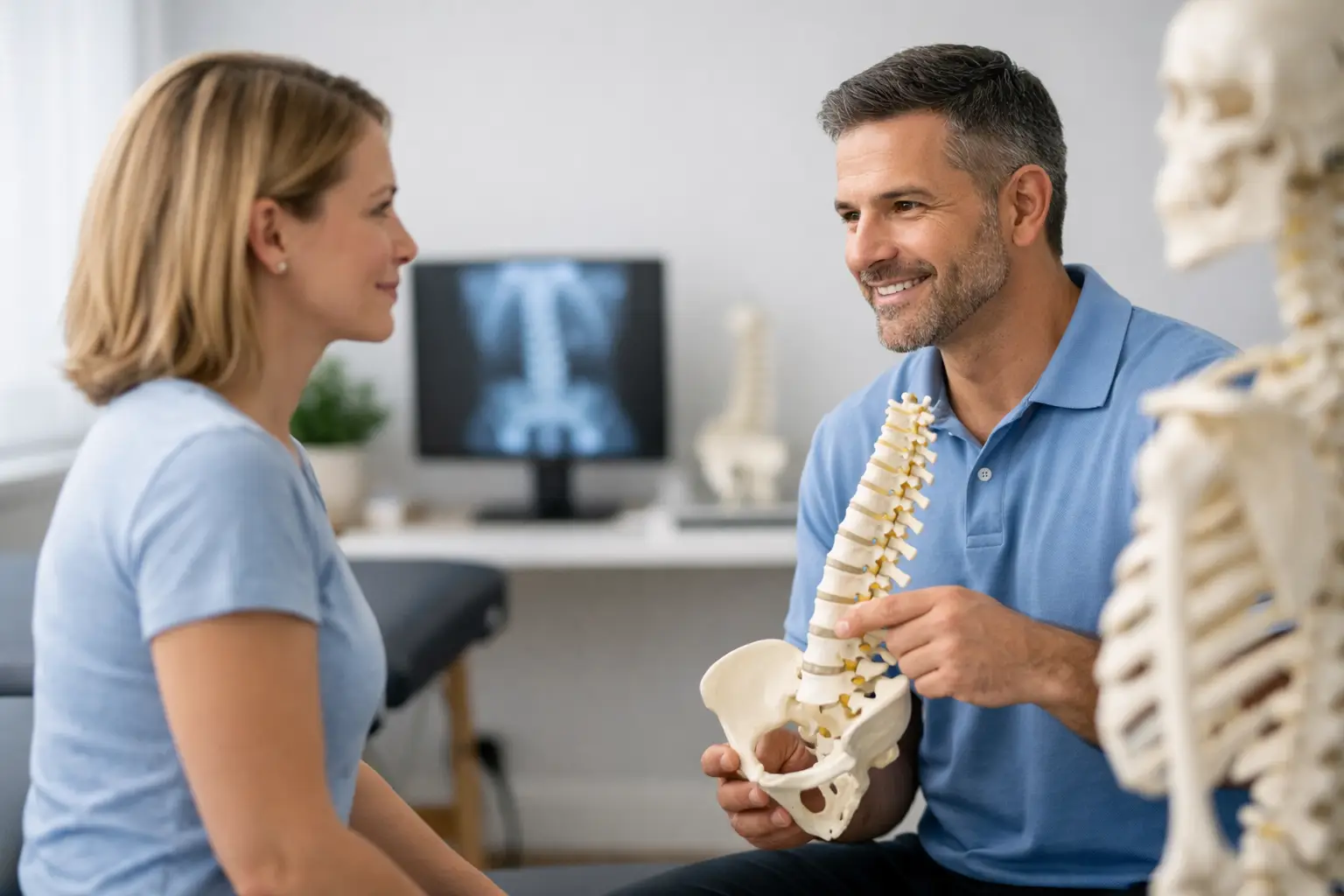
When low-back, hip, or pelvic discomfort keeps returning, an individualized assessment can bring clarity. A chiropractor can evaluate your posture, spinal and joint mobility, muscle tension, daily habits, and the movements that trigger symptoms. This makes it possible to focus on the factors most relevant to your body rather than relying on a one-size-fits-all routine.
Gentle spinal adjustments may help improve joint motion and reduce areas of restriction that contribute to discomfort. Postural analysis can identify habits and movement patterns worth addressing, while soft-tissue approaches such as cupping therapy may help ease muscle tension and support circulation in tight areas. Care is most helpful when it is paired with guidance you can use between visits, including realistic movement, ergonomic, and wellness recommendations.
At Whole Health Chiropractic, care is centered on listening to your concerns and supporting your goals, whether that means returning to workouts, working more comfortably, keeping up with your family, or simply moving through the day with less tension. Your care plan should reflect your symptoms, history, preferences, and progress.
When to Schedule an Evaluation
Consider scheduling a consultation if low-back or hip discomfort is interfering with sleep, work, exercise, or daily movement. It can also be helpful if you have tried stretching or resting without lasting improvement, or if you are unsure which exercises are appropriate for your body.
An evaluation is not a commitment to an aggressive treatment plan. It is an opportunity to ask questions, understand what may be contributing to your discomfort, and explore conservative options. A caring provider should explain findings clearly, respect your comfort level, and help you make informed choices about your health.
Your body does not have to feel perfectly symmetrical to feel strong, capable, and supported. Small, consistent changes and attentive care can help you move with more ease and stay connected to the activities that help you feel your best.